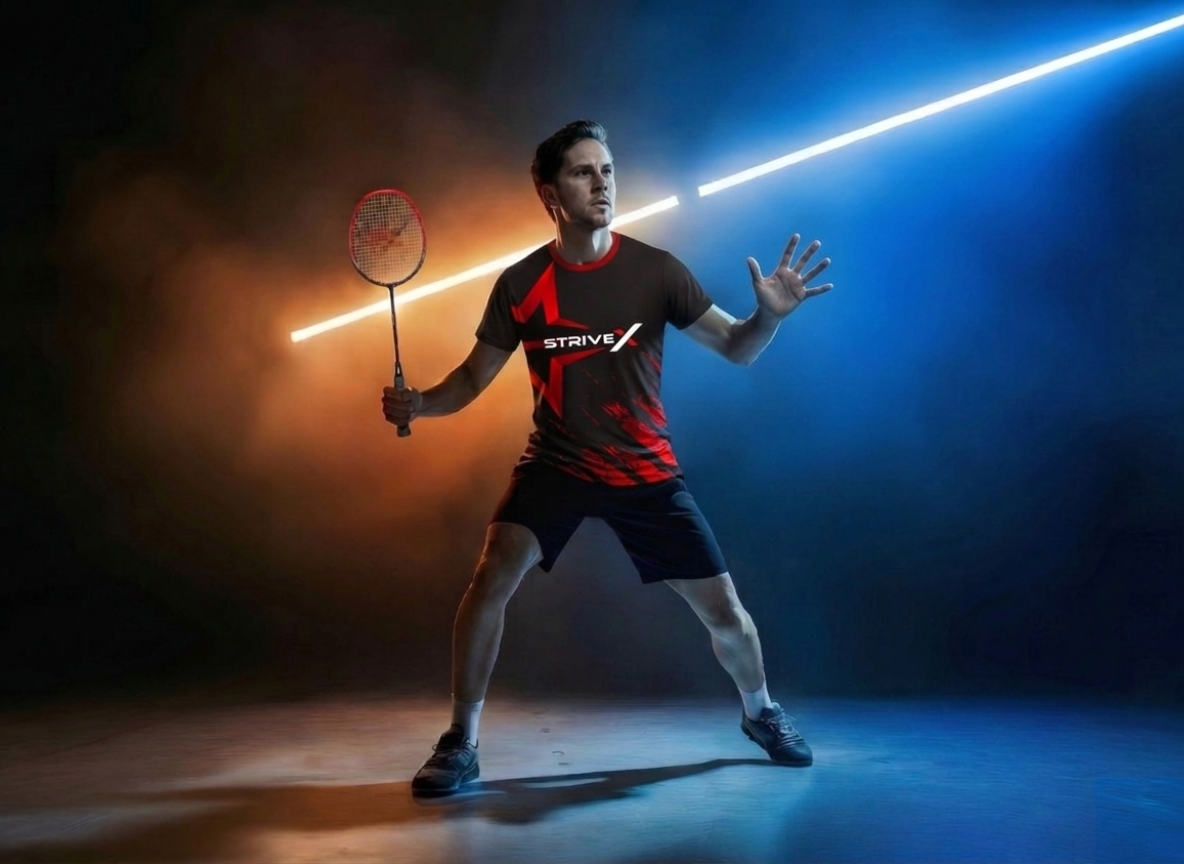
Many players struggle when switching between singles and doubles, feeling too slow in defence or too weak in long rallies. Often, the issue is not technique but racket weight. Singles and doubles badminton games place very different demands on the body. Players prefer rackets with different weights depending on the pace of the match, making play more comfortable.
Singles is a relatively slow game in which a single player must cover the full court, whereas in doubles, the exchanges are faster and the racket needs to recover instantly after each shot. Racket weight plays a quiet but decisive role in both formats.
A racket weight that feels comfortable in singles can slow down defence in doubles game. A light racket that feels fast may not remain stable during long singles rallies. This difference explains why one racket rarely suits both formats equally.
Before comparing singles and doubles directly, it helps to understand what racket weight actually changes inside the body during a swing.
What Racket Weight Means in Badminton?
The weight of the racket is described by how heavy it feels in the hand. A racket's swing and stability depend on its weight. It also determines how tired you feel during and after the game.
A lighter racket moves quickly and feels easy to control in fast situations, such as quick defence or net play. A heavier racket feels more solid when you hit the shuttle and helps keep shots stable. This helps in playing long rallies.
A balanced racket means the weight is distributed evenly along the racket. The racket weight can be slightly tipped towards the head or handle side if it is not balanced. The key point is that racket weight changes how the game feels in motion.
How Racket Weight Affects Biomechanics in Badminton?
Racket weight changes how force moves through your arm and into the shuttle. The science behind racket weight distribution rests on several mechanical principles applied to the human body. Understanding these principles helps players choose rackets that match their physical strengths and playing style.
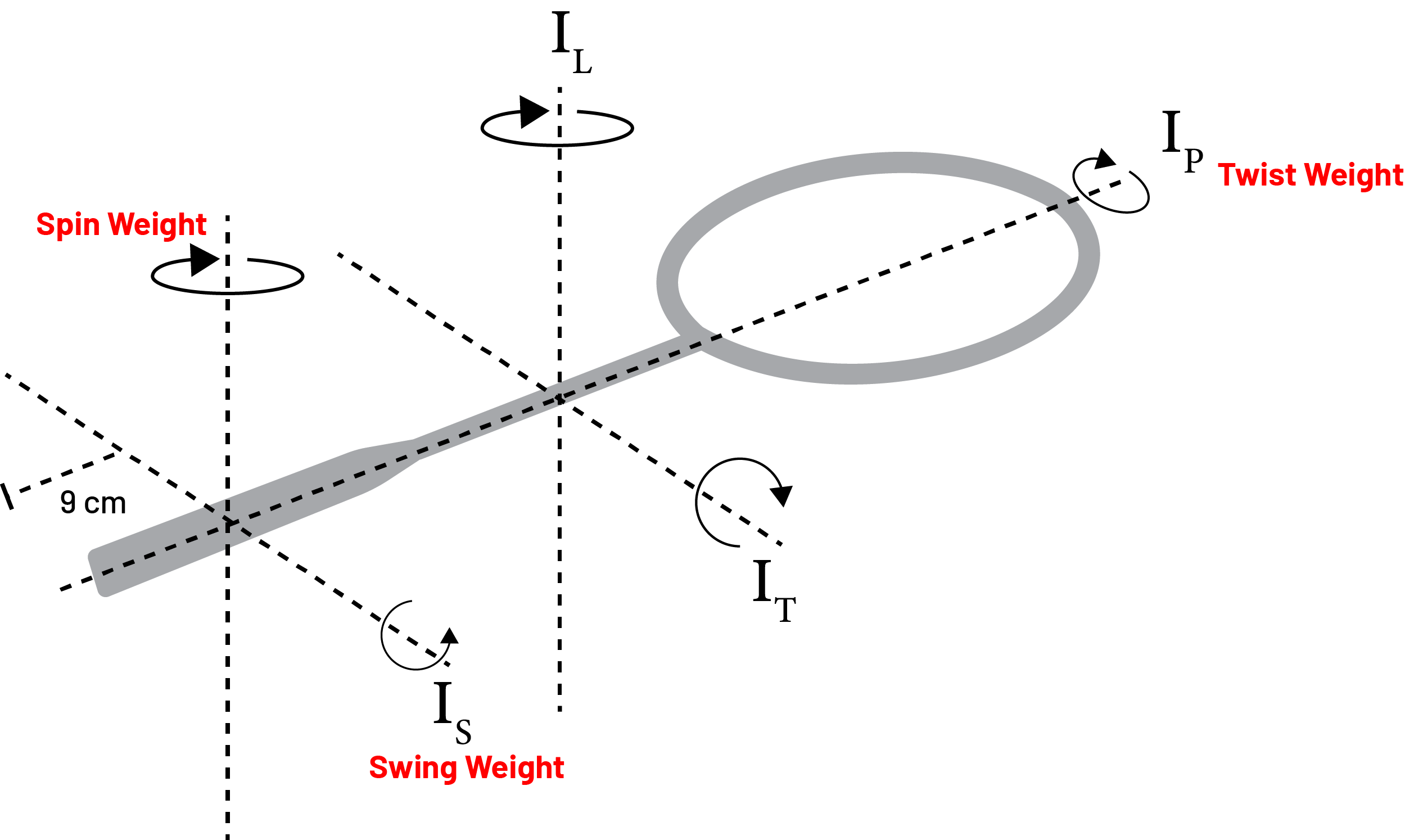
Moment of Inertia
This explains why head-heavy rackets resist rotation and require more muscular effort.
- Head-Heavy Racket: These rackets have more mass concentrated at the head, which resists rotation. This makes it harder to change direction quickly, requiring more effort from the shoulder and forearm muscles. The benefit is that once in motion, the racket carries momentum into the shot, producing powerful strokes.
- Head-Light Racket: These rackets carry less mass at the head and rotate more easily. Players can react faster and adjust angles quickly, which is ideal for defensive play. However, a lighter head means less stored momentum, so shots may lack depth or penetration.
- Even-Balance Racket: These rackets offer moderate resistance to rotation, striking a balance between manoeuvrability and stability. Players can adapt to both fast exchanges and powerful shots without extreme effort.
Torque
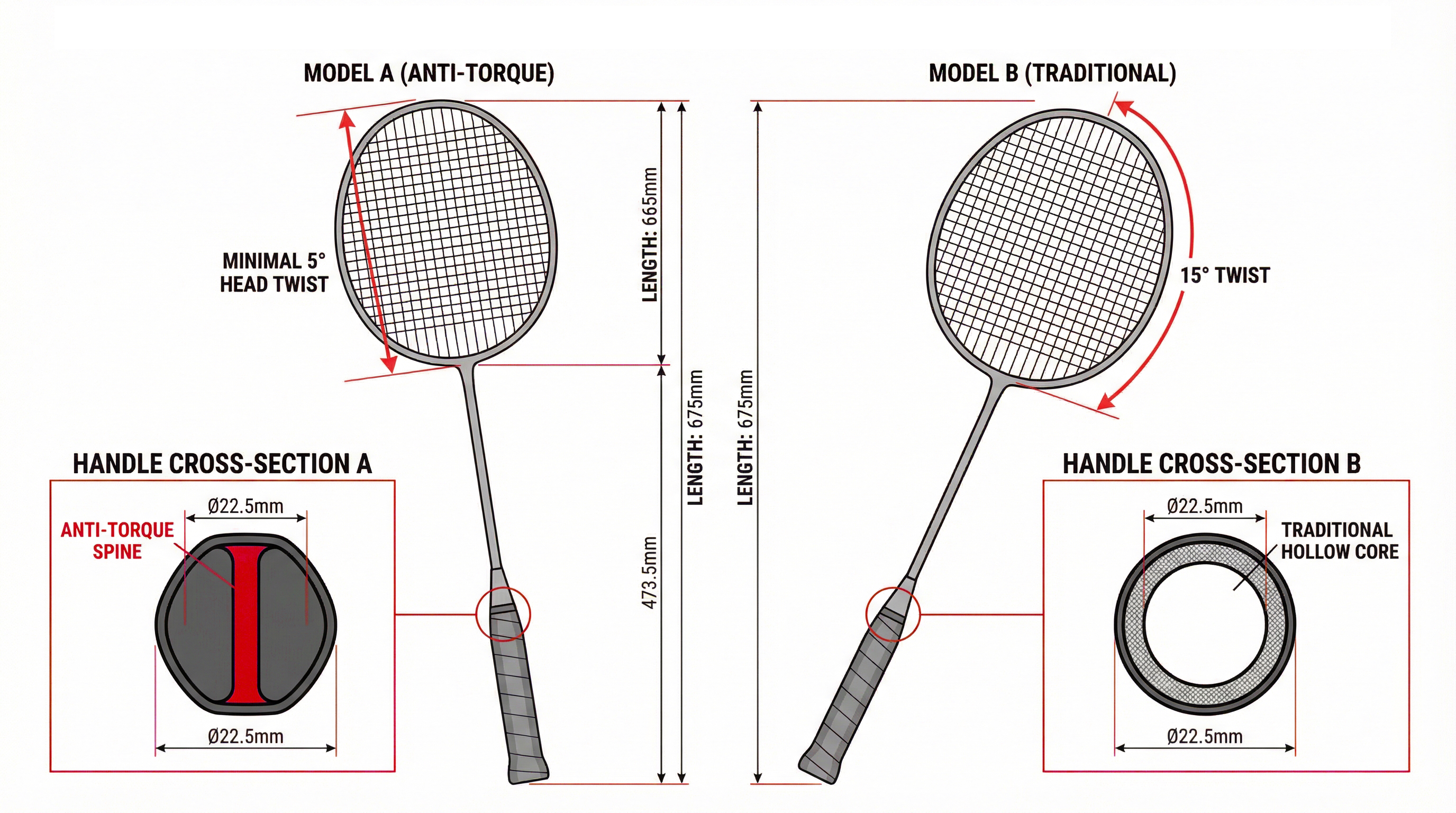
Torque is the rotational force that muscles must generate at joints, and it increases with head-heavy designs.
- Head-Heavy Racket: Muscles must generate greater torque at the shoulder and wrist joints to accelerate and decelerate the racket. This increases strain but also allows for explosive power when controlled properly.
- Head-Light Racket: A head-light racket requires less torque, so movements are quicker and less taxing on the joints. This reduces injury risk and makes rapid strokes easier, though power generation is limited.
- Even-Balance Racket: It demands moderate torque, giving players versatility without overloading joints or sacrificing too much power.
Energy Transfer
Transfer of energy shows that heavier heads store more kinetic energy, resulting in powerful shots.
- Head-Heavy Racket: The heavier head stores more kinetic energy during the swing, which translates into powerful smashes and clears. This is the reason aggressive players often prefer head-heavy designs.
- Head-Light Racket: Reduced mass in the head results in less energy transfer. Shots rely more on technique and speed rather than raw stored energy.
- Even-Balance Racket: An even balance racket provides a balanced energy transfer, offering decent power without compromising control.
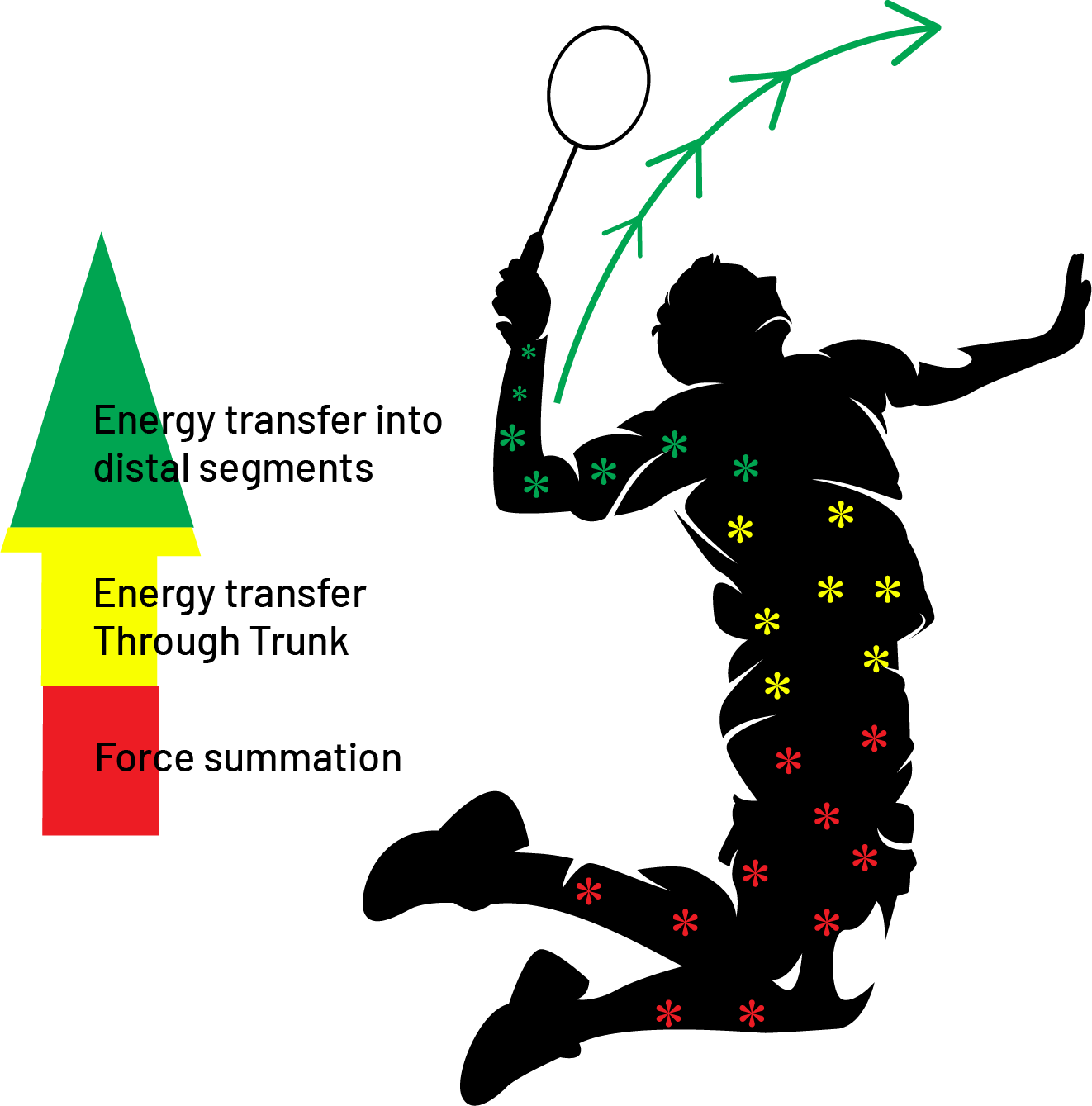
Muscle Recruitment
Muscle recruitment differs by racket type: head-heavy rackets engage larger muscle groups, while head-light rackets rely on smaller muscles.
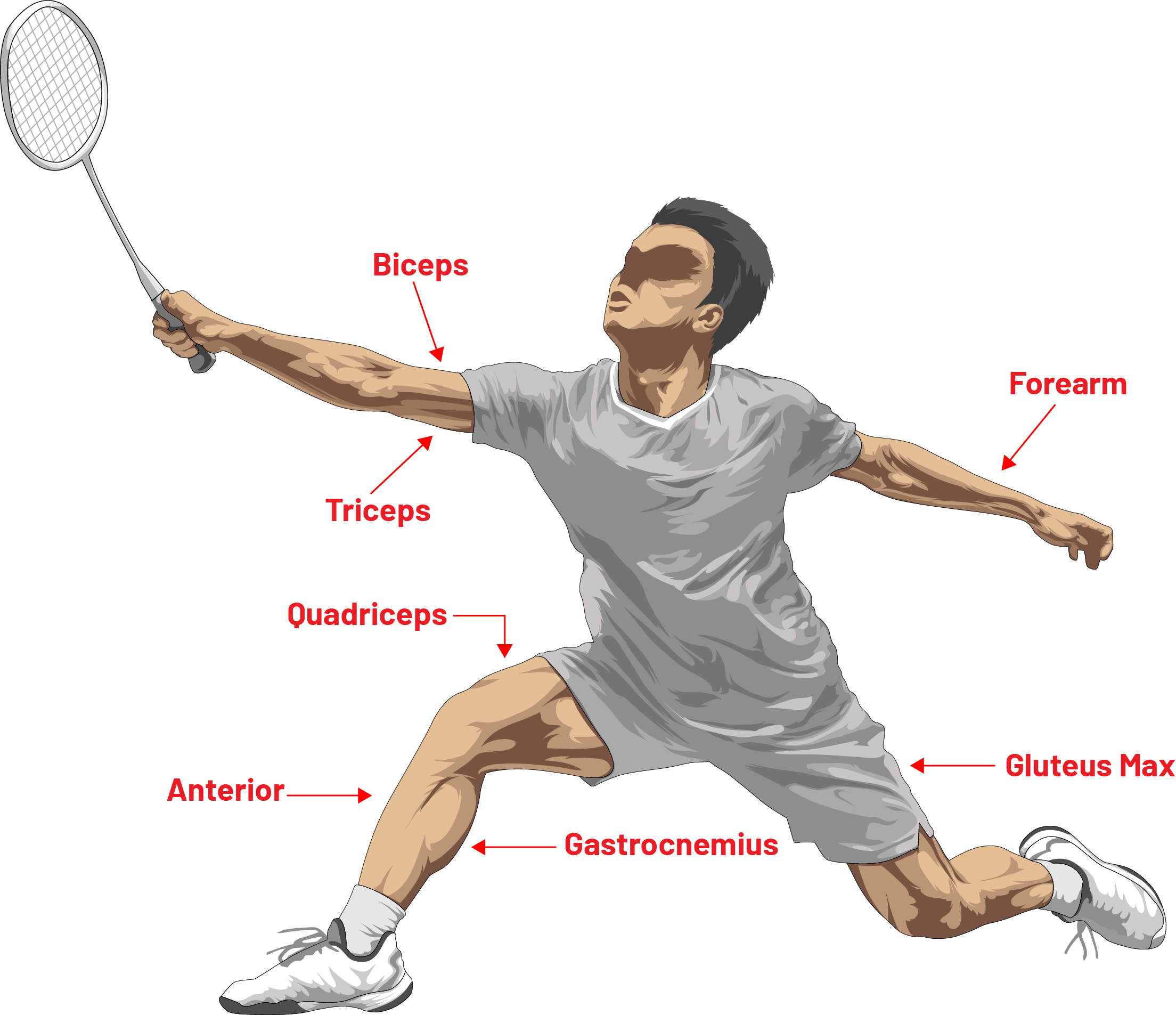
- Head-Heavy Racket: A head-heavy racket engages larger muscle groups such as the deltoids, rotator cuff, and forearm flexors. These muscles stabilise and generate force for the heavier swing, which can build strength but also increase fatigue.
- Head-Light Racket: A head-light racket relies more on fine motor control from wrist extensors and smaller stabilising muscles. This allows for precision and quick reactions but does not build much raw power.
- Even-Balance Racket: An even-balance racket uses a combination of both large and small muscle groups, giving players versatility in both power and control without overloading one set of muscles.
Read more on How Do You Choose Between Lightweight and Heavyweight Badminton Rackets for Better Performance?
Singles vs Doubles Badminton: Racket Weight Differences
Players generally prefer different racket weights for singles and doubles. Singles matches are played at a slower pace, while doubles are played much faster.
Singles players tend to favour heavier, head-heavy rackets for added power and depth in long rallies, while doubles players often choose lighter, head-light rackets to maximise speed and quick reactions at the net.
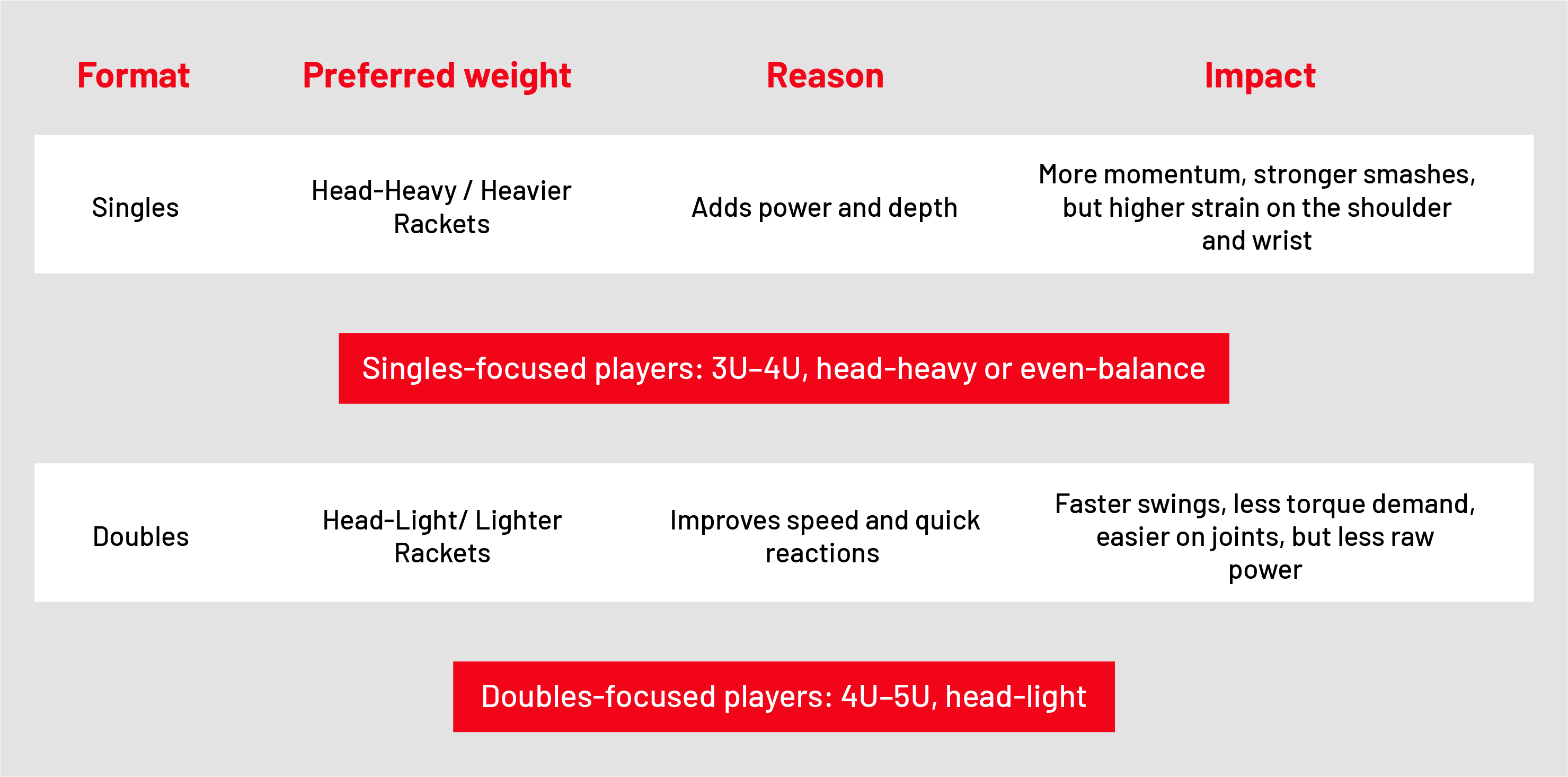
This difference explains why doubles players often sacrifice raw power for speed, while singles players accept an extra load for stability.
Read more on Balanced Vs Head-Heavy Badminton Rackets: Which One Is Best for You?
What If You Play Both Singles and Doubles?
If you play both formats, you do not need two extreme setups. For beginner and intermediate players, middle-range racket weight works well as a practical compromise. It offers stability for singles rallies while staying quick enough for doubles defence and net play. This balance helps you switch formats without feeling limited and helps develop a player’s focus and consistency.
Experienced players can fine-tune their choice based on format. In doubles, a balanced racket suits fast exchanges, quick interceptions, and rapid recovery after shots. In singles, many experts prefer a slightly head-heavy racket because it adds stability and depth to clears and smashes over long rallies.
The most effective approach is to test your setup during real games. Notice how fast you recover after shots and how steady the racket feels late in rallies. Small adjustments in grip or balance often solve problems without needing a new racket, making it easier to perform well in both singles and doubles.
Find Your Perfect Racket
Racket weight can make or break your game. Find your perfect match and feel the difference on the court.
Shop NowFinal Thoughts
Singles and doubles badminton demand different priorities, and racket weight sits at the centre of that difference. A singles badminton game requires stability and endurance over long rallies. A doubles game depends on speedy reactions and quick recovery at the net. Expecting one racket setup to perform equally well in both formats often leads to compromises in control or comfort.
An informed choice works better than copying professional preferences. Your decision must be based on your playing format, skill level, and physical capacity. Beginners and intermediate players benefit from balanced, middle-range setups, while experienced players can adjust weight and balance to match the demands of each match.
Latest Post