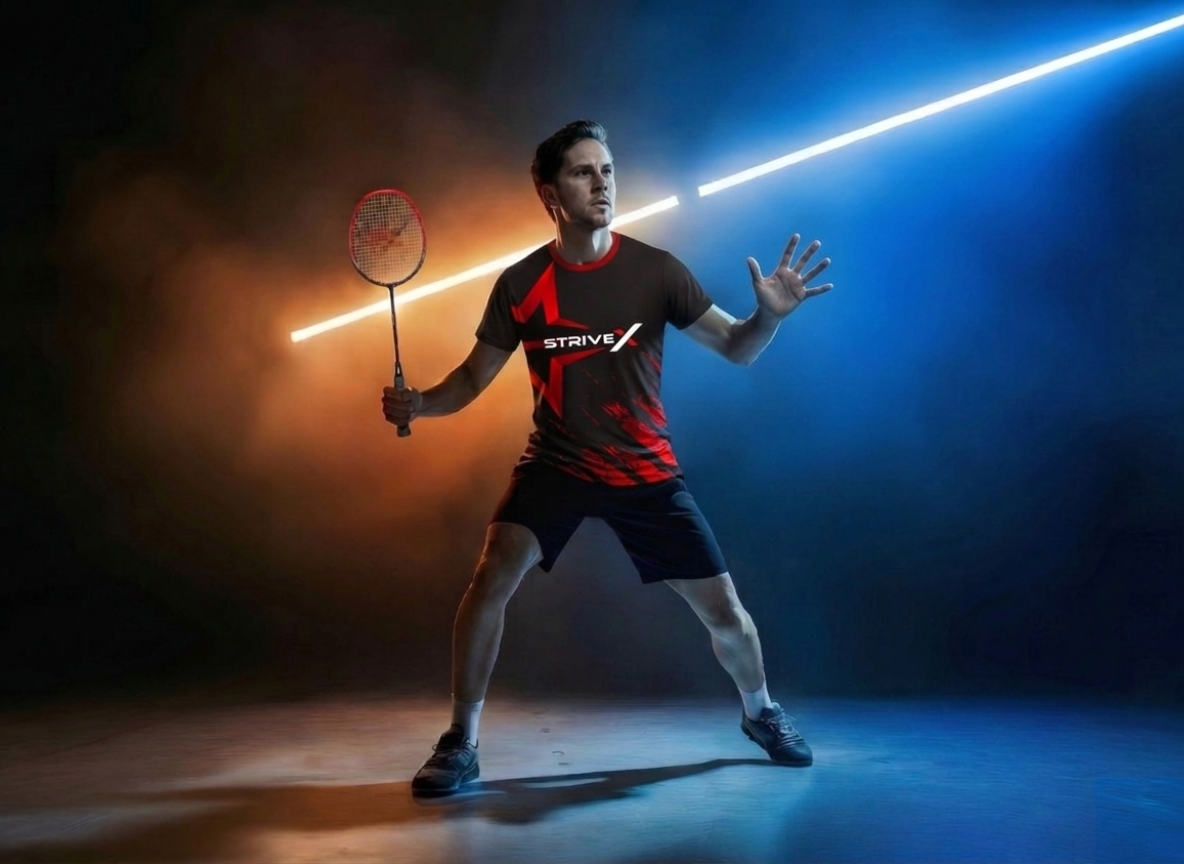
Success in badminton includes both physical skills and mental toughness. Mental strength and concentration can make the difference in overall game performance. Developing mental skills keeps players calm under pressure, helps them make smarter decisions, recover quickly from mistakes, and maintain confidence throughout a match.
Mental training in badminton focuses on managing pressure effectively. From pre-match preparation to in-game focus and post-point recovery, the right mental habits can enhance reaction time, anticipation, and overall performance.
In this blog, we will explore practical strategies that players of all levels can use to strengthen their mental game, improve focus, and perform consistently on court.
What Are Mental Skills?
Mental skills are systematic cognitive strategies that individuals use to regulate their thoughts, emotions, and behaviours to achieve performance goals. Mental skills can be developed using the Self-Regulation Theory, which includes attentional control, arousal regulation, and imagery. These skills act as internal mechanisms that bridge the gap between physical potential and actual execution. These skills leverage neuroplasticity to strengthen specific neural pathways.
In badminton, mental skills direct physical execution during high-speed rallies. They allow players to filter out crowd noise and focus exclusively on the shuttlecock's trajectory while preventing muscle tension. They also help players maintain composure, ensuring their tactical decision-making remains sharp throughout a match. This psychological regulation directly affects focus by limiting a player's vision to important tasks.
Important Mental Skills in Badminton
Some mental skills in badminton are important for maintaining focus and enhancing performance.
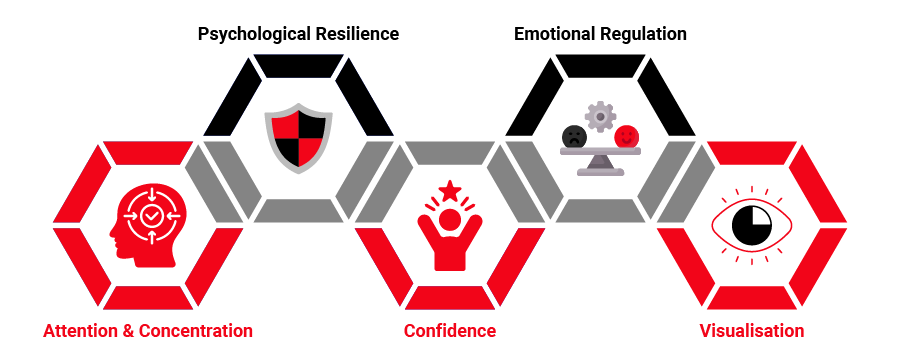
1. Attention and Concentration
Focus in badminton refers to the ability to maintain attention on relevant cues, such as the shuttle, opponent's movements, and court positioning, while ignoring distractions. Neuroscientific studies show that sustained attention activates the prefrontal cortex and parietal regions of the brain, which help filter irrelevant stimuli and enhance decision-making speed. High levels of concentration allow players to anticipate shots and react more accurately.
This skill can be developed by practising mindfulness exercises, performing focused drills where distractions are added, and concentrating on one aspect of the game at a time, such as tracking the shuttlecock during fast rallies.
For better control during rallies, players should also choose the right badminton racket and understand balanced vs head-heavy rackets, as equipment directly influences concentration.
2. Psychological Resilience
Resilience is the capacity to recover from setbacks and maintain performance under stress. This involves both physiological regulation (cortisol management, heart rate control) and psychological processes like optimism and persistence. Research shows that resilient athletes maintain steady attention, reduce performance anxiety, and sustain high effort levels even during challenging matches.
Resilience lets players maintain focus and motivation even after losing points. They should engage in self-reflection after games, set small achievable goals, simulate challenging match situations in practice, and employ positive self-talk after mistakes. Moreover, they should train under high-pressure scenarios, gradually increase practice intensity, and maintain routines and strategies.
Learning from common badminton mistakes and ensuring proper racket care can also build resilience by reducing avoidable setbacks.
3. Confidence
Confidence affects how players approach shots and handle competition. Psychologically, self-efficacy – belief in one's ability to succeed – activates neural circuits related to reward and motivation. Higher confidence levels motivate players to take calculated risks and reduce hesitation. Confidence is essential for executing precise shots under pressure.
Confidence in badminton is built through consistent practice. In each practice session, track progress, use positive affirmations, visualise successful shots, and gradually challenge yourself with tougher opponents to build self-belief.
Selecting the right equipment through a comprehensive racket guide can further enhance confidence by ensuring players feel prepared and capable.
4. Emotional Regulation
Badminton is a fast-paced game, and it is inevitable to experience stress, frustration, or anxiety. Emotional regulation allows players to control impulses and remain calm. Players who regulate emotions effectively can recover quickly from mistakes, maintain motivation, and avoid negative patterns such as giving up early in rallies.
Emotional regulation helps players manage stress, frustration, and anxiety during matches, preventing negative emotions from affecting performance. Players can use breathing techniques, short relaxation routines between points, mindfulness training, and controlled exposure to competitive situations. These methods help players practise staying calm under pressure.
Understanding how racket string tension affects performance can also reduce frustration by improving shot consistency.
5. Visualisation
Visualisation helps players anticipate an opponent's shot before it happens. It relies on the brain's visuo-motor integration. Players trained in anticipation can read subtle cues like racket angle and body posture, giving them a crucial fraction-of-a-second advantage to position themselves and respond effectively. This mental skill strengthens neural pathways and improves execution.
Players can train this skill by visualising successful shots, rehearsing game situations mentally before matches, and combining imagery with physical practice to reinforce learning.
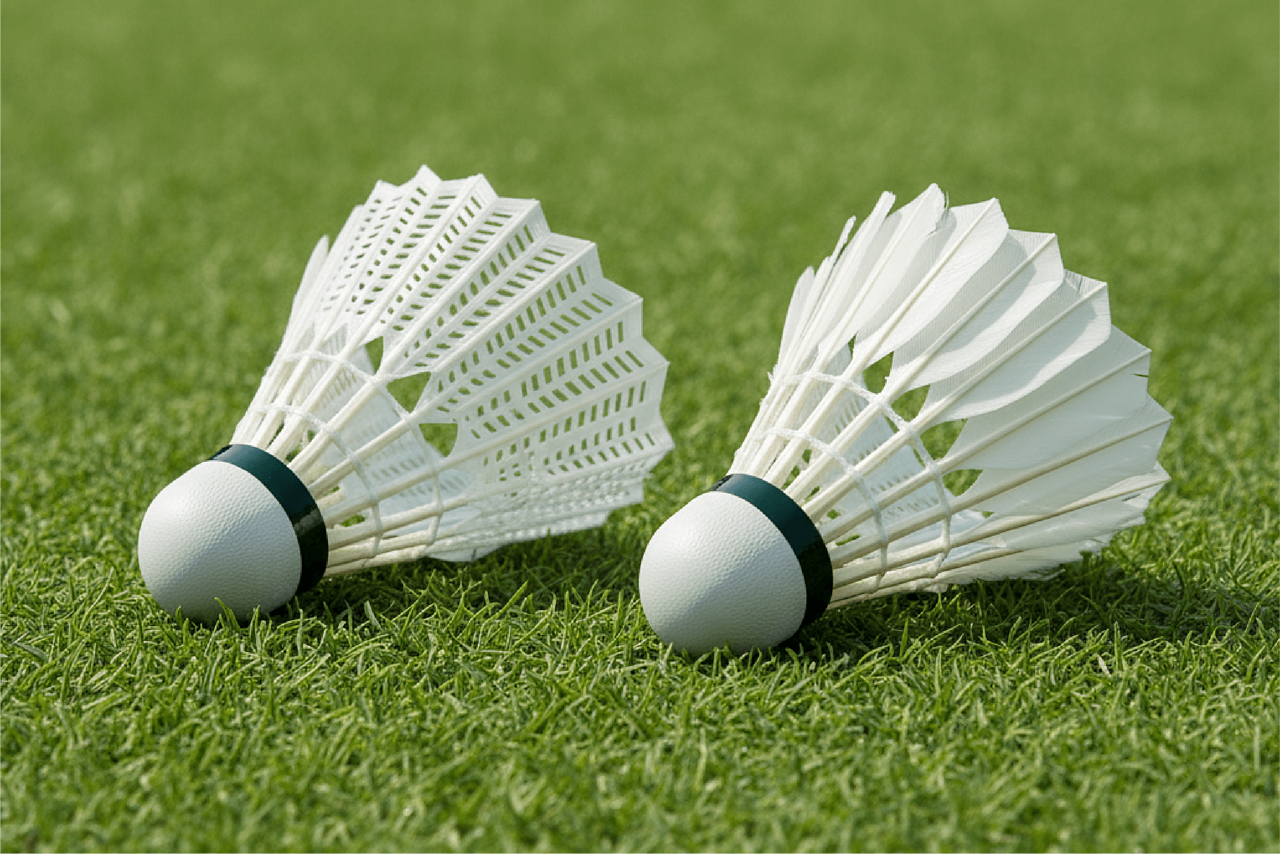
Studying shuttle characteristics through the shuttlecock guide can make visualisation exercises more realistic and effective.
Sharpen Your Focus on Court
Elevate your mental game with StriveX gear. Equip them now to stay focused, react faster, and perform at your best.
Upgrade Your GearFinal Thoughts
In badminton, success depends on both mental skills and physical ability. Attention, resilience, confidence, emotional regulation, and visualisation all play vital roles in helping players stay focused, make smarter decisions, and perform consistently under pressure. By actively training these mental skills using practical exercises, mindfulness, and simulated match situations, players can strengthen their mental game, improve reaction time, and maintain composure during high-speed rallies. These abilities ensure that physical talent is fully translated into effective performance on the court, giving players a clear competitive edge.
Latest Post