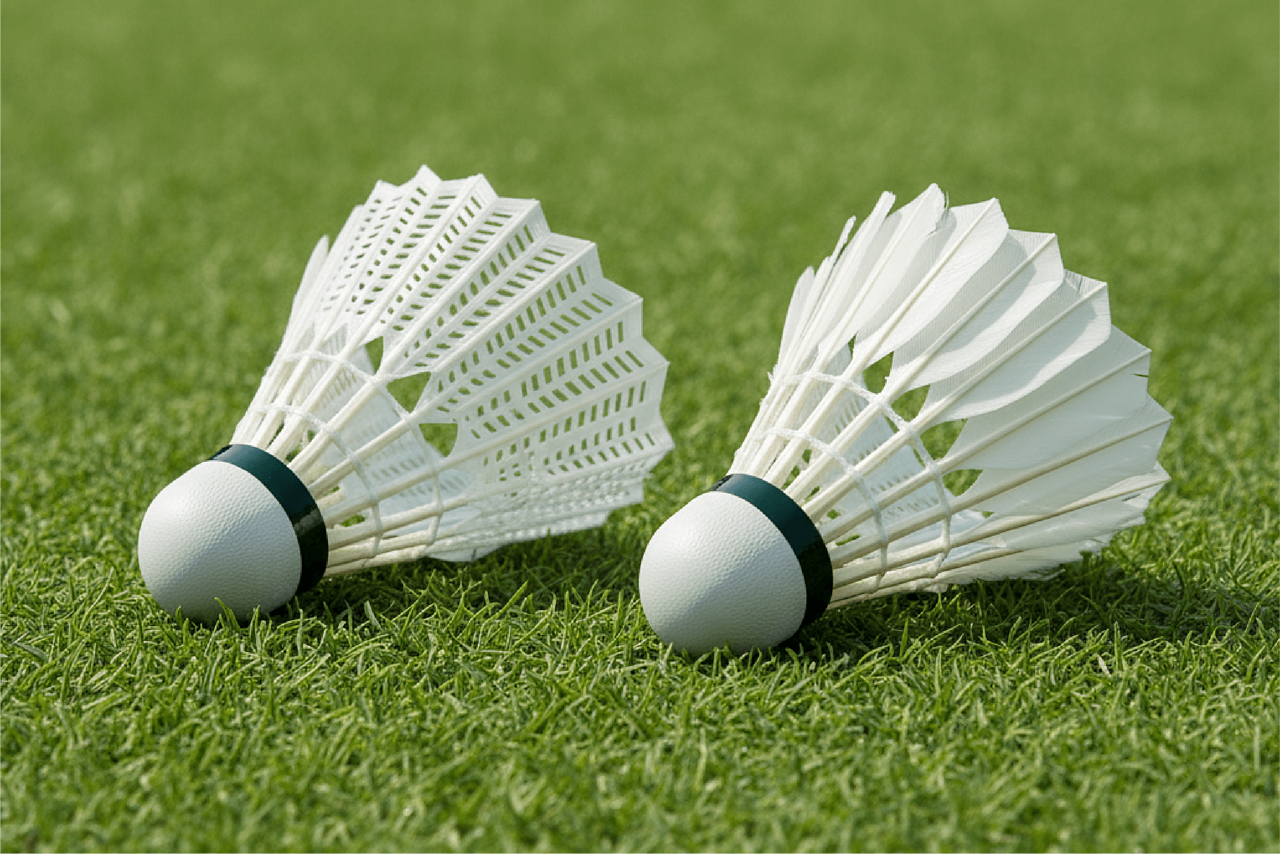
Badminton gear has undergone a quiet revolution in feathers, strings, and science. It started with handcrafted wooden frames and has since evolved into carbon-fibre marvels; each era has left its mark on the court. The shift in badminton gear has reshaped speed, comfort, control, and overall performance. Understanding how equipment has evolved offers valuable insight into the sport itself, helping players appreciate modern advancements and make better gear choices.
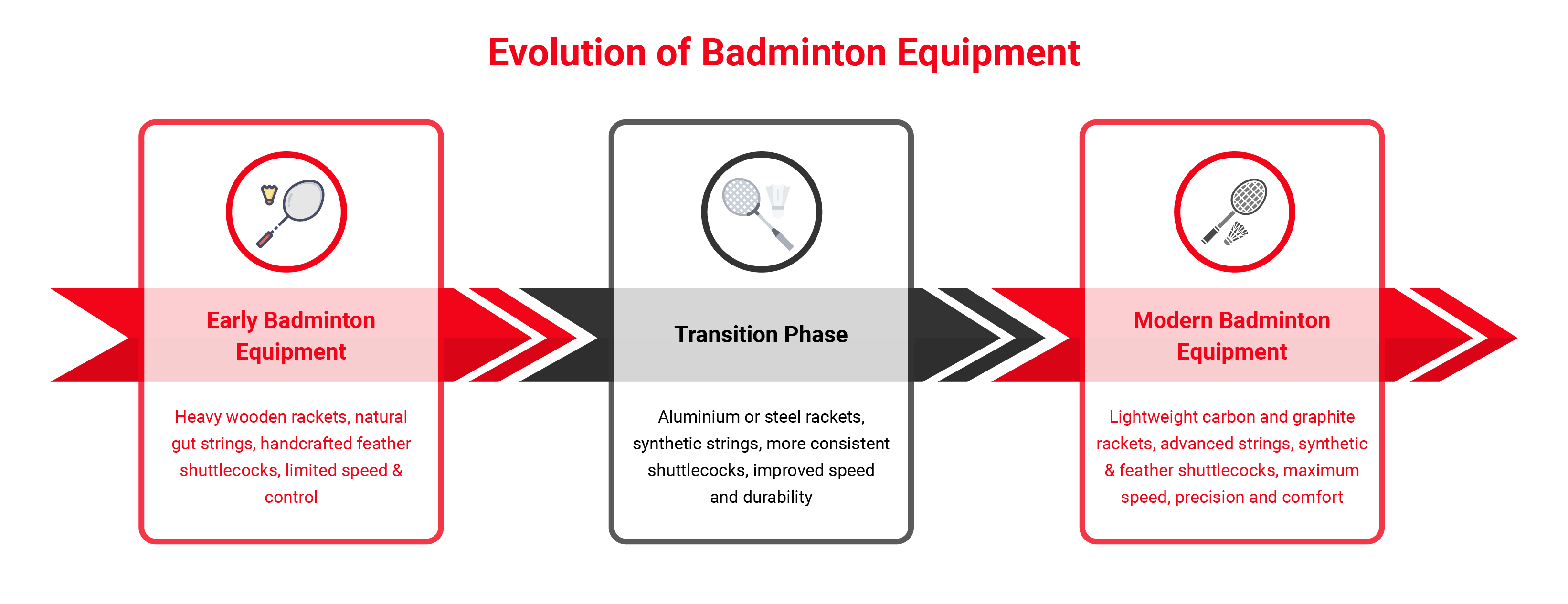
Early Badminton Equipment
Badminton equipment used to be simple and handcrafted. Players relied on the best materials and manufacturing methods of the time. Those methods functioned well in the game but were not performance optimisers.
Racket Material
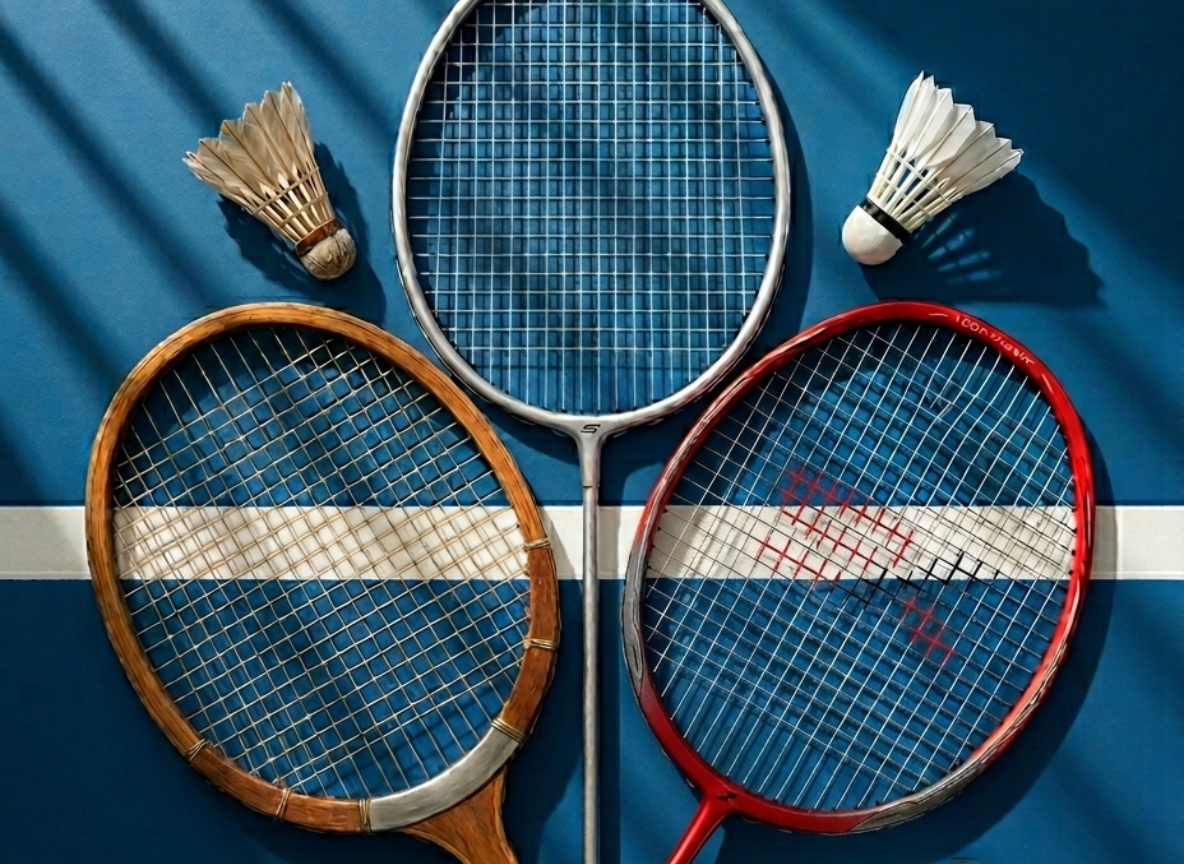
Early badminton rackets were made from solid wood, often crafted by hand. The wooden rackets were heavy, which reduced swing speed and limited power generation during fast rallies. A great physical effort was requires to handle the weight, limiting quick wrist movement and reducing reaction speed during rallies.
The wooden racket frames lacked flexibility, meaning they did not absorb or transfer energy efficiently. Players had to rely more on technique and timing rather than equipment support.
String Material
In the early days of badminton, strings were typically made from natural gut, often sourced from animal intestines. These gut strings provided decent elasticity and tension, allowing players to generate power and control their shots.
Traditional Shuttlecocks
Traditional shuttlecocks were made using natural feathers, typically sourced from goose or duck wings. These feathers were carefully arranged and attached to a cork base, giving the shuttlecock its distinctive shape and flight characteristics. The quality of the shuttle was determined by the craftsmanship and materials used. Early designs were less standardised, leading to inconsistencies in speed and durability.
Transition Phase: Shift Towards Innovation
As badminton gained popularity over the years, the competition increased, and equipment began to evolve to meet the demands of faster gameplay. Innovative equipment revolves around enhancing performance.
Evolving Racket Material
The badminton community began experimenting with racket frame materials, moving from wooden to aluminium and steel frames. This shift greatly improved the performance of the game.
Metal rackets were lighter than wooden rackets, allowing players to react faster and generate quicker swings. This change supported a more dynamic style of play, with increased speed during rallies.
String Technology
String technology also progressed with time, moving from natural gut strings to synthetic alternatives. Natural gut was sensitive to environmental conditions and wore out relatively quickly. Synthetic strings provided a more durable and cost-effective option.
These newer strings allowed better tension control, enabling players to adjust their rackets for their playing style. Players were able to customise their rackets, influencing their performance on the court.
Improved Shuttlecock Design
Shuttlecock design became more standardised during this phase, particularly in terms of weight and speed. This consistency ensured fairer and more predictable gameplay, especially in competitive settings. Players could rely on uniform flight patterns, which improved the quality of rallies.
Modern Badminton Gear
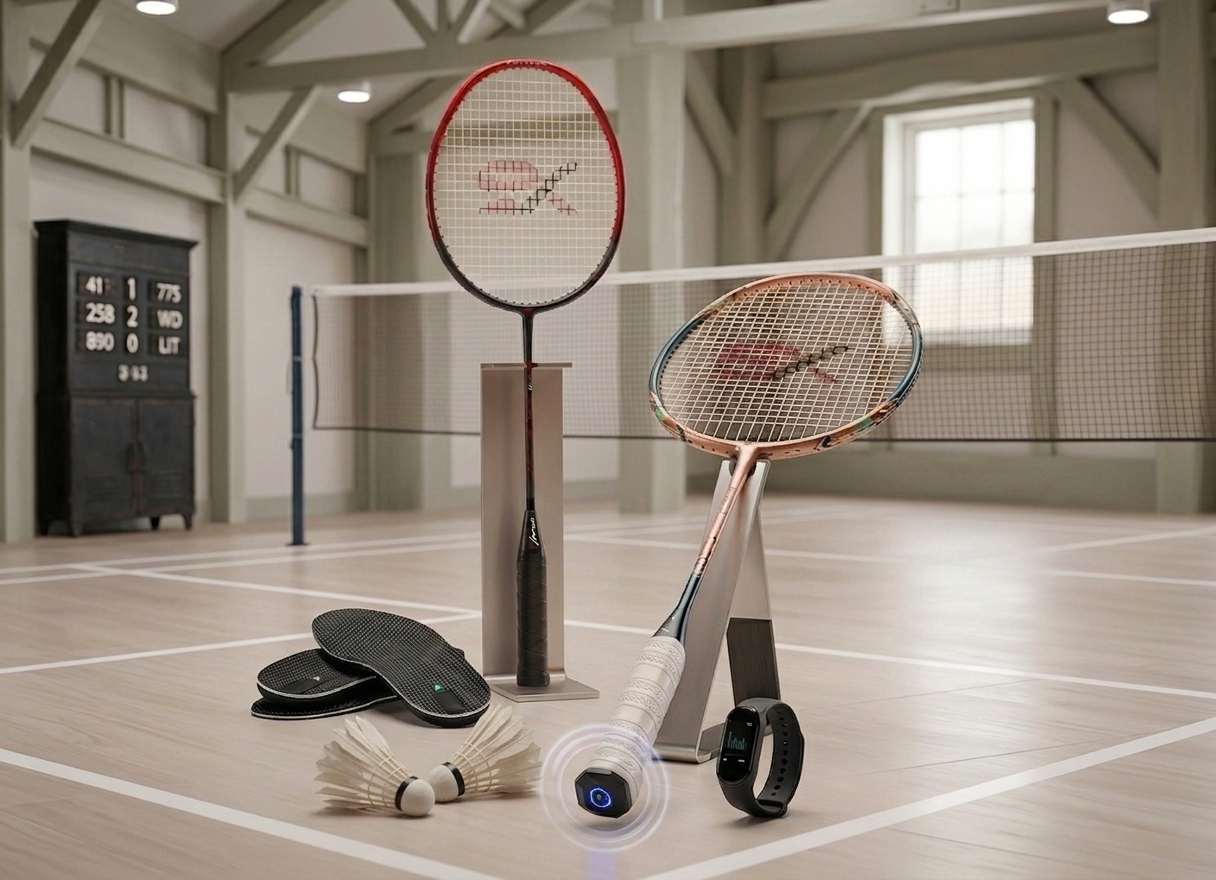
Modern badminton equipment is built around precision, speed, control, and player comfort. Current badminton equipment supports fast rallies with sharper control and reduces physical strain.
Advanced Racket Materials
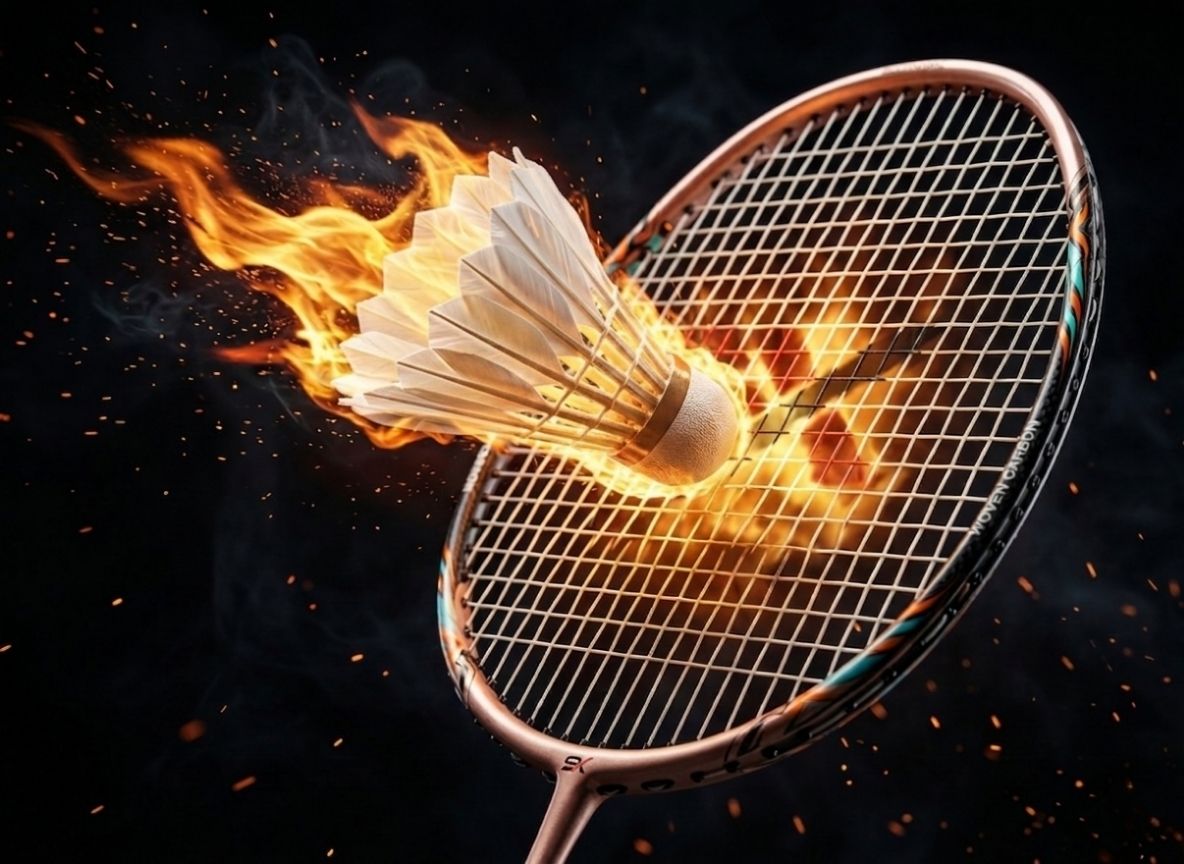
Contemporary badminton rackets are primarily made from carbon fibre and graphite, materials known for their strength and lightness. These rackets are significantly lighter than older versions, enabling quicker reactions and faster swing speeds during play. This allows players to execute powerful smashes without compromising control.
At the same time, these materials provide excellent durability and flexibility. The improved frame structure enhances energy transfer from the player to the shuttle, resulting in more efficient shots.
Modern String Technology
Modern string technology is based on combining synthetic strings with natural gut. This combination of strings required careful maintenance and frequent replacement. Players can adjust their string tension according to their playing style. This set of strings made skill and precision more important than reliance on equipment.
Aerodynamic Shuttlecocks
Modern shuttlecocks are designed to offer consistent flight and durability. Feather shuttlecocks are still widely used in professional matches for their natural feel and precise movement. Synthetic alternatives have become popular for training and recreational play.
These synthetic shuttlecocks are more resistant to wear and environmental conditions, making them cost-effective and reliable. Both types are now manufactured with a focus on aerodynamic stability, ensuring predictable speed and trajectory across different playing conditions.
What is the Impact of Badminton Gear Evolution on the Game?
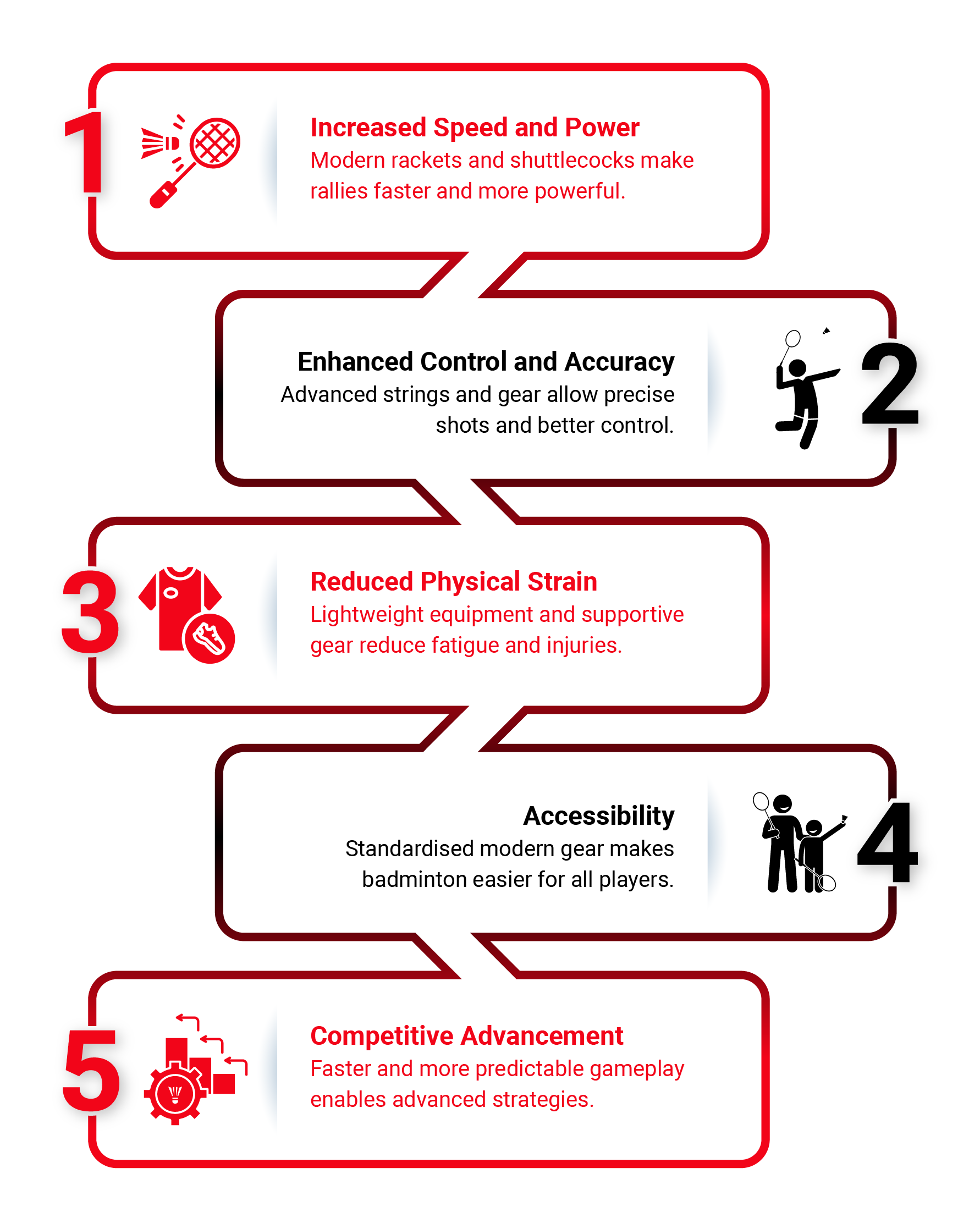
The evolution of badminton gear has had a profound impact on how the sport is played, making it faster, more competitive, and more accessible to players of all levels.
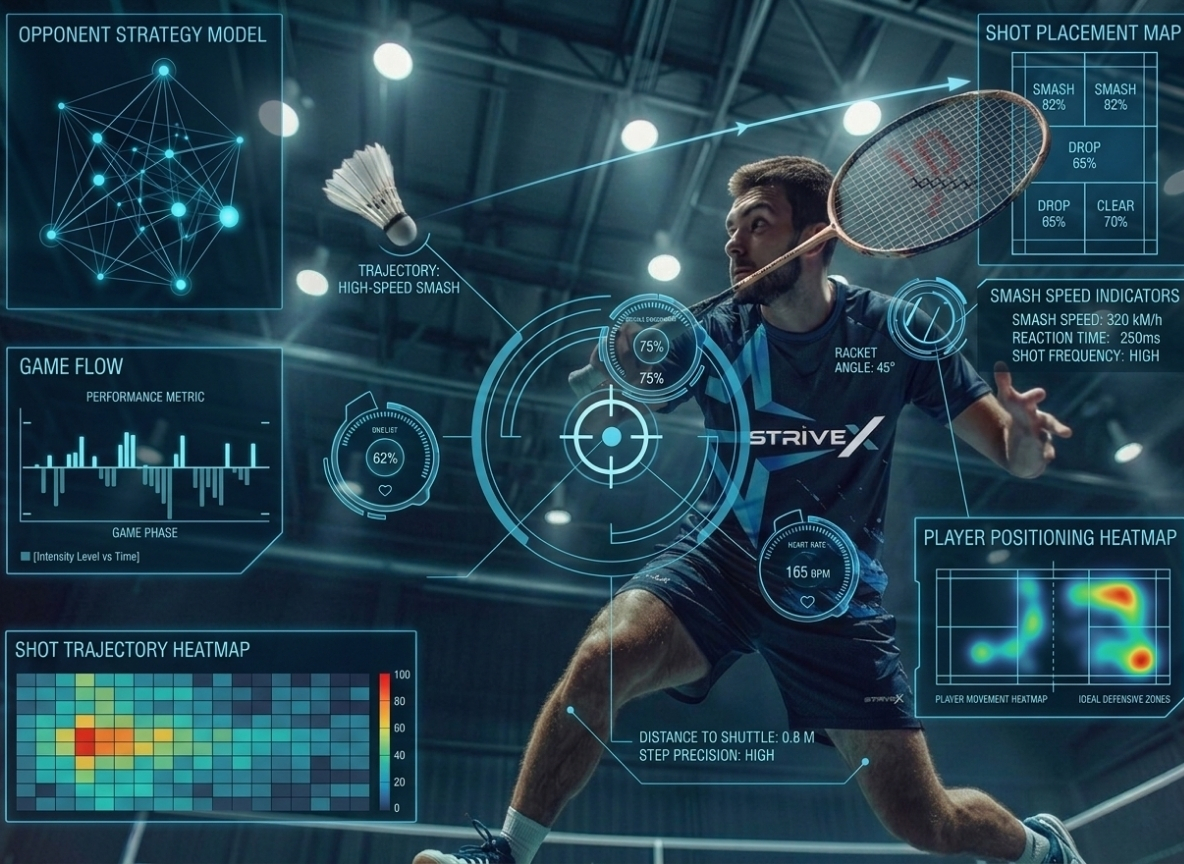
Increased Speed and Power: Modern rackets made from carbon fibre and graphite are lighter and more flexible, enabling players to swing faster and generate more power. This has significantly increased the pace of rallies, making matches more intense and exciting. A shuttlecock with a standardised weight and aerodynamic design contributes to more predictable flight and allows for aggressive offensive play.
Enhanced Control and Accuracy: Advanced string technology, lightweight rackets, and high-quality shuttlecocks provide better precision and shot control. Players can now execute delicate drop shots and precise net play with less effort than in earlier eras.
Reduced Physical Strain: Modern badminton gear is designed to support the body. Specialised shoes with cushioning and ankle support reduce the risk of sprains and overuse injuries. Lightweight rackets and synthetic shuttlecocks reduce fatigue. Apparel featuring moisture-wicking, flexible fabrics contributes to overall comfort, enabling longer, safer play.
Accessibility: The standardisation and availability of modern badminton gear have made the sport more accessible to beginners and recreational players. Lightweight, durable equipment shortens the learning curve. This accessibility encourages more people to take up badminton.
Competitive Advancement: Players have developed more sophisticated strategies with improved equipment. Faster rackets and shuttlecocks enable rapid counterattacks, while better control facilitates tactical play.
Buy Premium Gear Now.
Discover premium badminton gear, including rackets, shuttlecocks, apparel, and accessories engineered for precision.
Visit ShopFinal Thoughts
Badminton gear has been through a solid evolutionary phase. It has evolved from handcrafted wooden rackets and natural feather shuttlecocks to modern carbon-fibre marvels and aerodynamic precision equipment. Each innovation has shaped gameplay, enhancing speed, control, comfort, and strategy, as well as reducing physical strain and making the sport more accessible to players at all levels. Understanding the history and development of badminton equipment allows players to appreciate the advantages of modern gear. It keeps the game dynamic and engaging for generations to come.
Latest Post