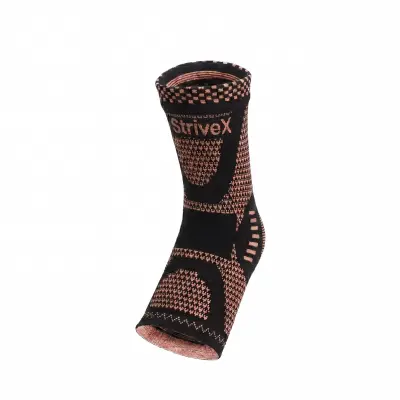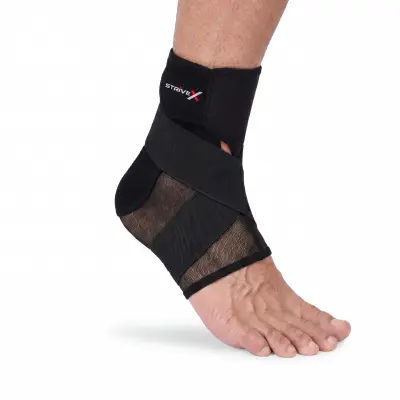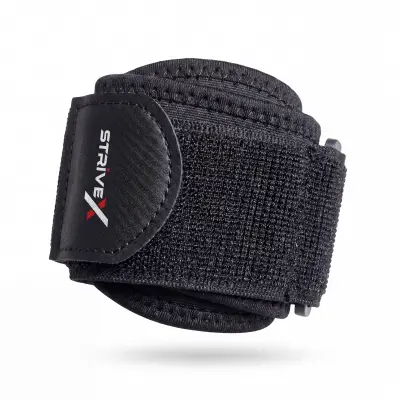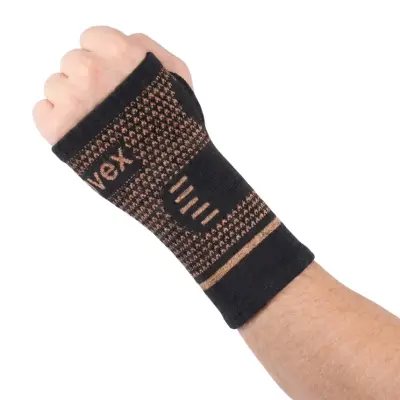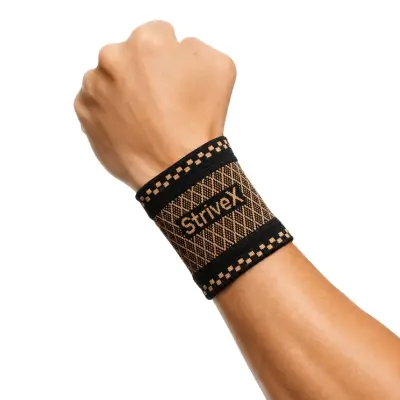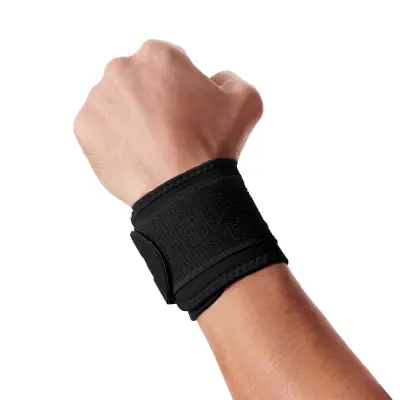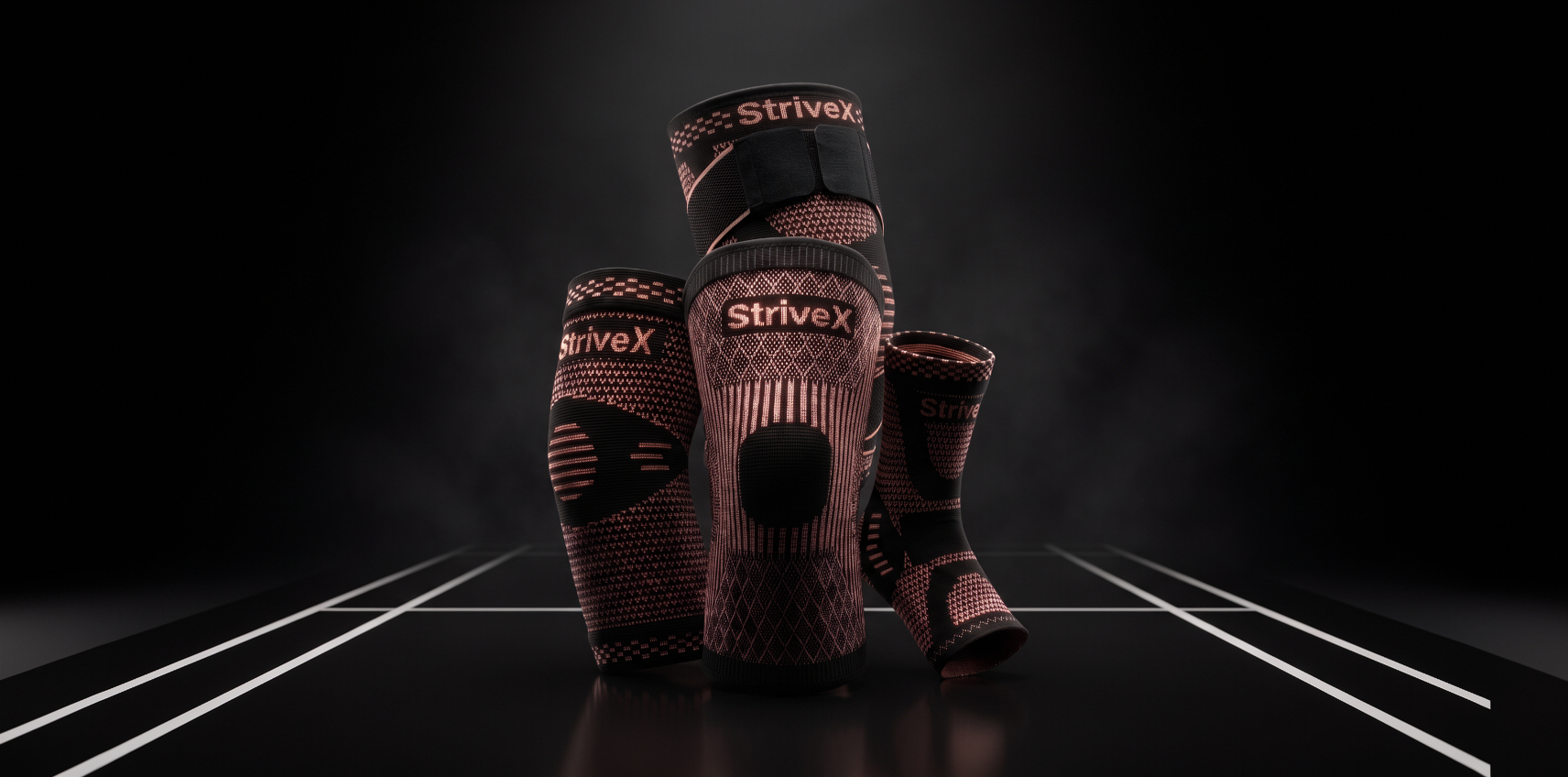
Compression sleeves are widely used across a variety of sports, from badminton and running to strength training and team sports. They are designed to provide targeted support and are commonly worn by athletes to enhance comfort during training and competition. They are often associated with injury recovery. Many athletes wear them to stay comfortable, minimise fatigue, and maintain consistent performance throughout training sessions and competitions.
It is confusing to choose the right compression sleeve due to a lot of options available in terms of materials and compression levels. This blog explains how compression sleeves work, their benefits, the different types available, and how you can benefit from them.
What Are Compression Sleeves?
Compression sleeves are close-fitting garments designed to apply gentle, controlled pressure to specific parts of the body. Different types of compression sleeves are widely used by athletes for arms, calves, knees, or elbows. They help with training, competition, and recovery to support blood circulation, and reduce discomfort caused by repetitive movement.
How Do Compression Sleeves Work?
Compression sleeves apply graduated compression, which is strongest at one end of the sleeve and gradually decreases along its length. This design promotes venous return by encouraging blood to flow back towards the heart more efficiently.
Better circulation may support oxygen delivery and nutrients to working muscles, helping them perform efficiently throughout training or competition. It also limits muscle vibration during movement, which may reduce fatigue over time. After exercise, improved blood flow may help support the clearance of metabolic waste products. This may support recovery and help reduce post-workout muscle soreness.
There are other type of compression sleeves that provide even compression, mostly used on joints. Instead of varying pressure along the sleeve, they maintain a consistent level of compression to provide uniform support during movement. This constant pressure helps stabilise the joint, reducing unnecessary muscle vibration caused by running, jumping, or rapid changes in direction.
What Compression Sleeves Are Made Of?
Most compression sleeves are made from a blend of synthetic fibres that provide stretch, durability, and breathability. The exact combination of materials determines how comfortable the sleeve feels and how effectively it maintains compression.
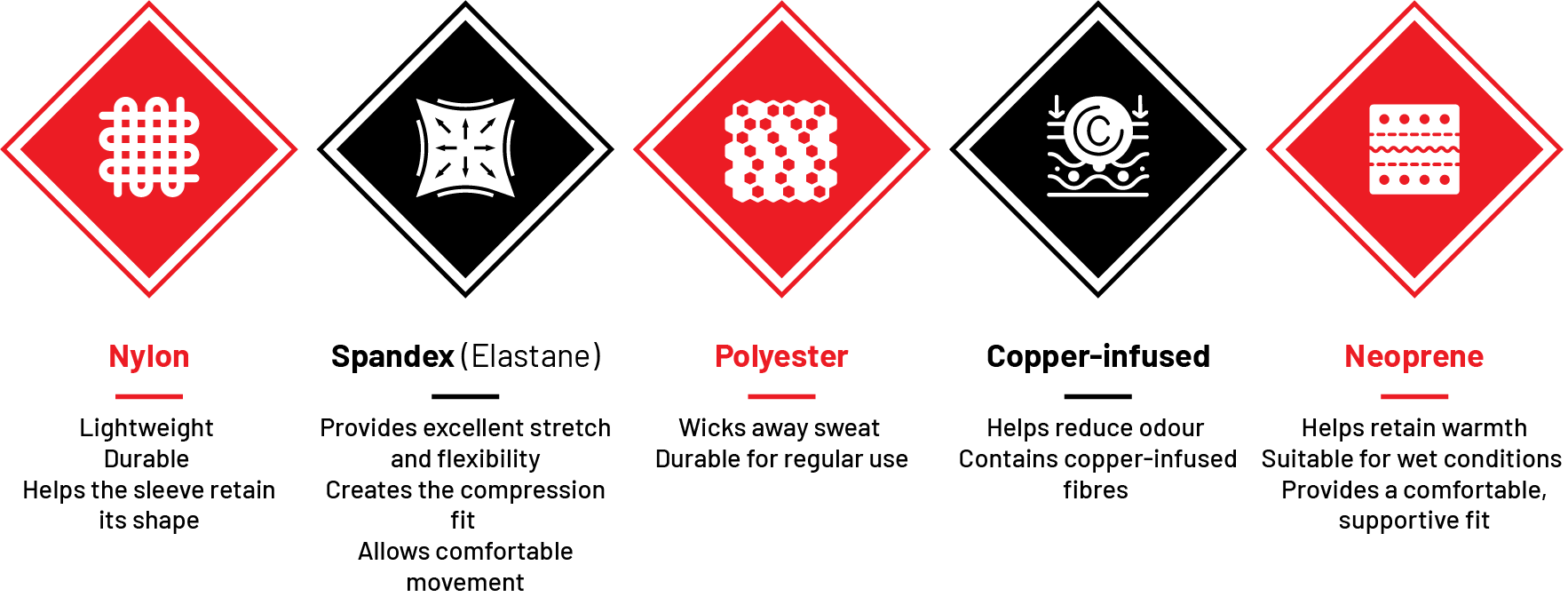
- Nylon is commonly used because it is lightweight, durable, and resistant to wear. It helps the sleeve retain its shape after repeated use.
- Spandex (Elastane) gives compression sleeves their elasticity. It allows the fabric to stretch comfortably around the limb while applying consistent pressure needed for effective compression.
- Polyester improves moisture management and durability. It helps move sweat away from the skin, keeping the wearer drier during long training sessions or competitions.
- Copper-infused material has copper ions and particles bonded to the fabric, which reduce the odour by inhibiting bacterial growth.
- Neoprene is a synthetic rubber that insulates against wet and cold environments.
Difference between braces and compression sleeves
Both braces and compression sleeves differ in terms of level of support they provide and their intended purpose. Compression sleeves provide consistent pressure that may improve circulation and enhance muscle support without restricting movement.
Support braces, on the other hand, are designed to stabilise joints by limiting movement and providing structural support. They are commonly used after an injury or surgery. While both have their uses, compression sleeves are primarily intended to enhance comfort, support recovery, and provide muscle support rather than treat injuries.
Benefits of Wearing Compression Sleeves
Compression sleeves are designed to support muscles and joints during physical activity. Their level of benefit varies from person to person. The following are a few benefits of wearing them.
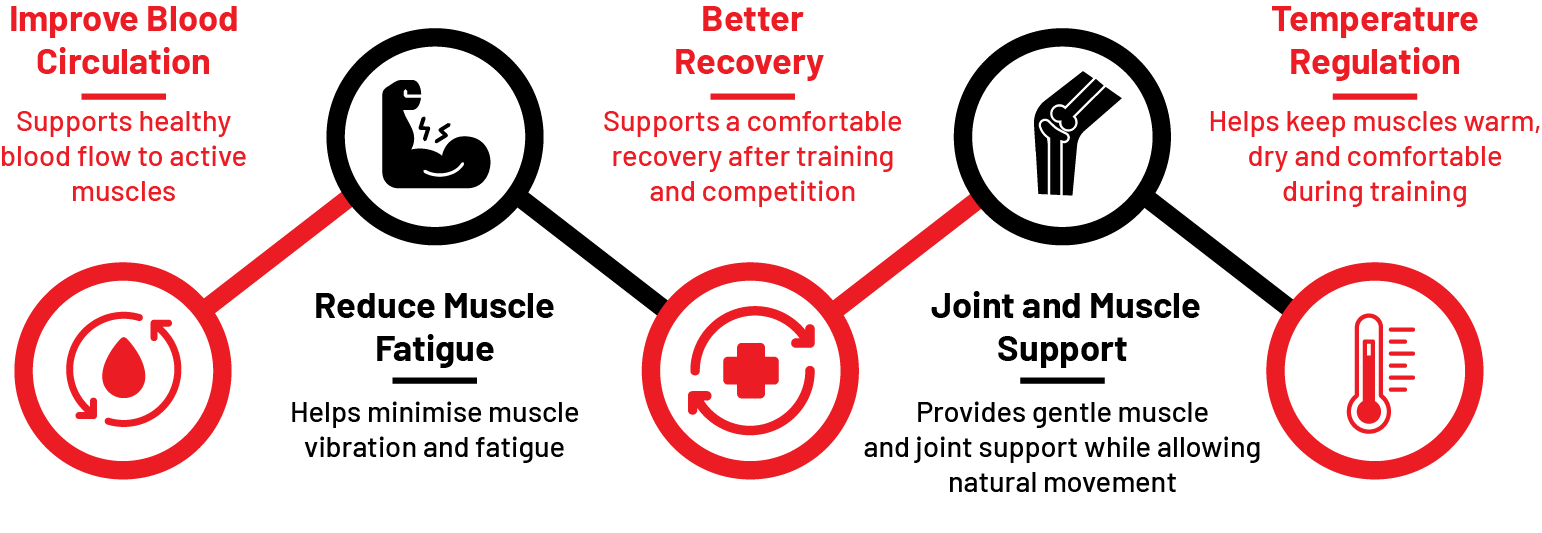
Improve Blood Circulation
One of the primary benefits of compression sleeves is improved blood circulation. The gentle pressure applied to the muscles supports blood flow to working muscles during activity.
Better circulation also supports the removal of metabolic waste products after exercise. This can help muscles recover more efficiently and prepare them for the next training session.
Reduce Muscle Fatigue
Physical activity causes muscles to vibrate with every movement, especially during running, jumping, and rapid changes in direction. The repeated vibrations can contribute to muscle fatigue.
Compression sleeves help minimise muscle vibration by providing additional support. With reduced muscle vibration, muscles experience less fatigue during prolonged activity.
Better Recovery
By supporting healthy blood circulation, compression sleeves help muscles receive the nutrients needed for repair. Many athletes wear compression sleeves after training or competition to reduce muscle soreness and stiffness.
They cannot replace proper rest and nutrition but can contribute to a more comfortable recovery along with physiotherapy and supplements.
Joint and Muscle Support
Compression sleeves provide gentle support to muscles and joints without restricting natural movement. This added stability is beneficial in activities that involve repetitive motions, quick direction changes, or high-impact landings.
They can help athletes feel more supported and confident during training and competition but are not designed to prevent injuries.
Temperature Regulation
Compression sleeves also help regulate muscle temperature during physical activity. Keeping muscles warm improves flexibility and allows them to function more efficiently. This is particularly useful during warm-ups or training in cooler conditions.
Many compression sleeves are made from breathable fabrics and weave that draw sweat away from the skin. This helps keep athletes dry, reduces discomfort, and improves overall comfort.
Different Types of Compression Sleeves
Compression sleeves are available for different parts of the body. For each part, they are designed to support specific muscles and movements. Choosing the right sleeve depends on your sport and the area that needs support.
Arm Compression Sleeves
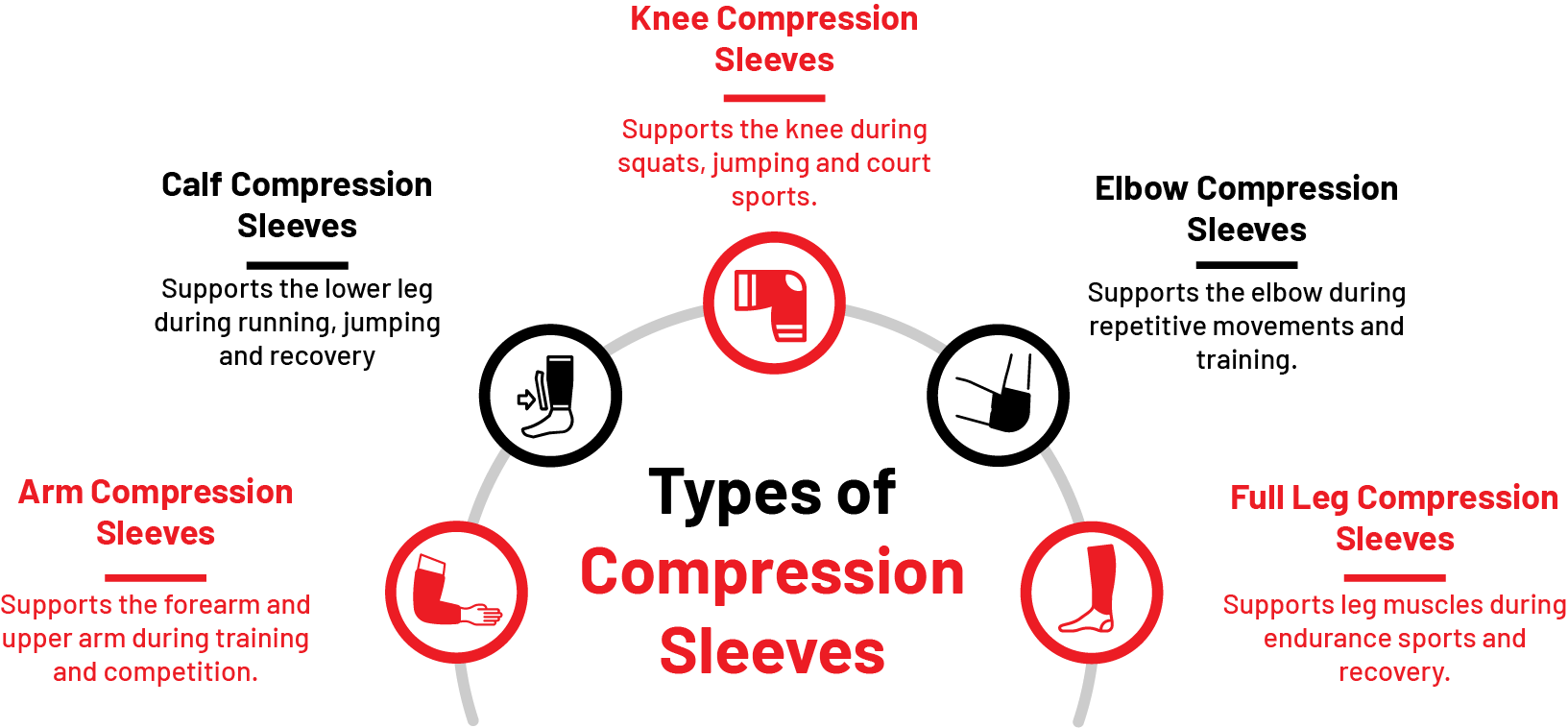
Arm compression sleeves are commonly worn by athletes who perform repetitive arm movements. They provide gentle compression to the forearm and upper arm.
They are particularly popular in badminton, tennis, basketball, and volleyball. These games involve frequent swinging, throwing, and overhead movements that place repeated stress on the arm muscles. Many players also wear them to stay comfortable during long training sessions and competitive matches.
Calf Compression Sleeves
Calf compression sleeves are designed to support the lower leg muscles during running or jumping activities. They are widely used in running, cycling, football, and badminton, where strong calf muscles are essential for speed, agility, and quick changes in direction. Many endurance athletes also wear them during recovery.
Knee Compression Sleeves
Knee compression sleeves provide gentle support around the knee joint while allowing a full range of movement. They help improve comfort during activities that place repeated stress on the knees.
They are commonly used during squats, jumping sports, and court sports such as badminton and basketball. They help players who frequently lunge, pivot, and land after jumps. They can also provide extra confidence for athletes returning to training after minor knee discomfort.
Elbow Compression Sleeves
Elbow compression sleeves support the muscles and tendons surrounding the elbow joint. They are often used to reduce discomfort caused by repetitive arm movements.
They are used in activities that expose the elbow to repeated strain. They are popular in racket sports, weightlifting, and rehabilitation programmes. They can provide additional support to players recovering from mild overuse injuries.
Full Leg Compression Sleeves
Full leg compression sleeves cover a larger portion of the leg, providing compression to multiple muscle groups at the same time.
They are particularly beneficial for endurance sports such as long-distance running and cycling. During these activities, muscles are under continuous stress for extended periods. Some athletes also wear full leg sleeves after training to promote recovery and reduce muscle soreness.
Final Thoughts
Compression sleeves have become a practical addition to many athletes' training and recovery routines. These are a staple for runners, badminton players, gym enthusiasts, or someone returning to exercise. The right compression sleeve can provide targeted support and improve comfort.
The key is choosing a sleeve that matches your activity and is made from quality materials. Compression sleeves are a valuable part of your sports gear when used appropriately, but they cannot be a substitute for proper training, recovery, or medical treatment.