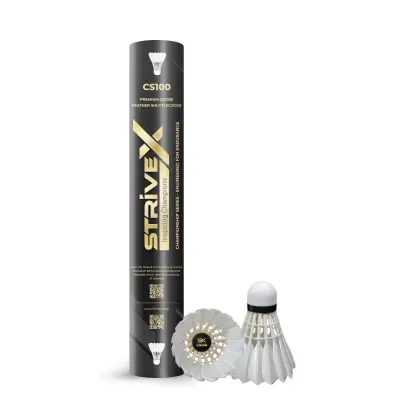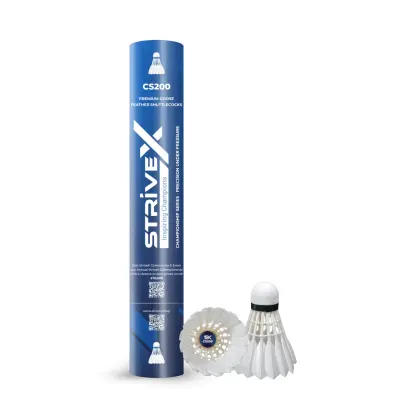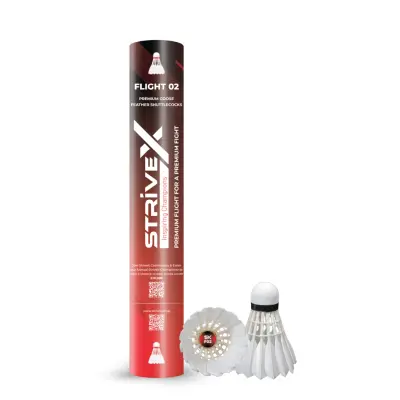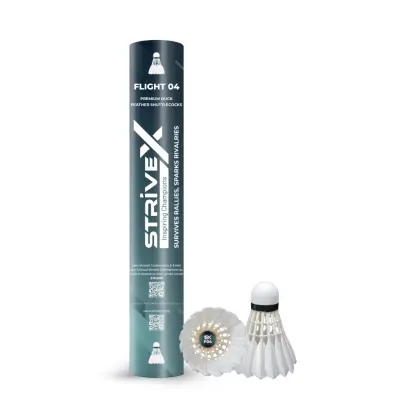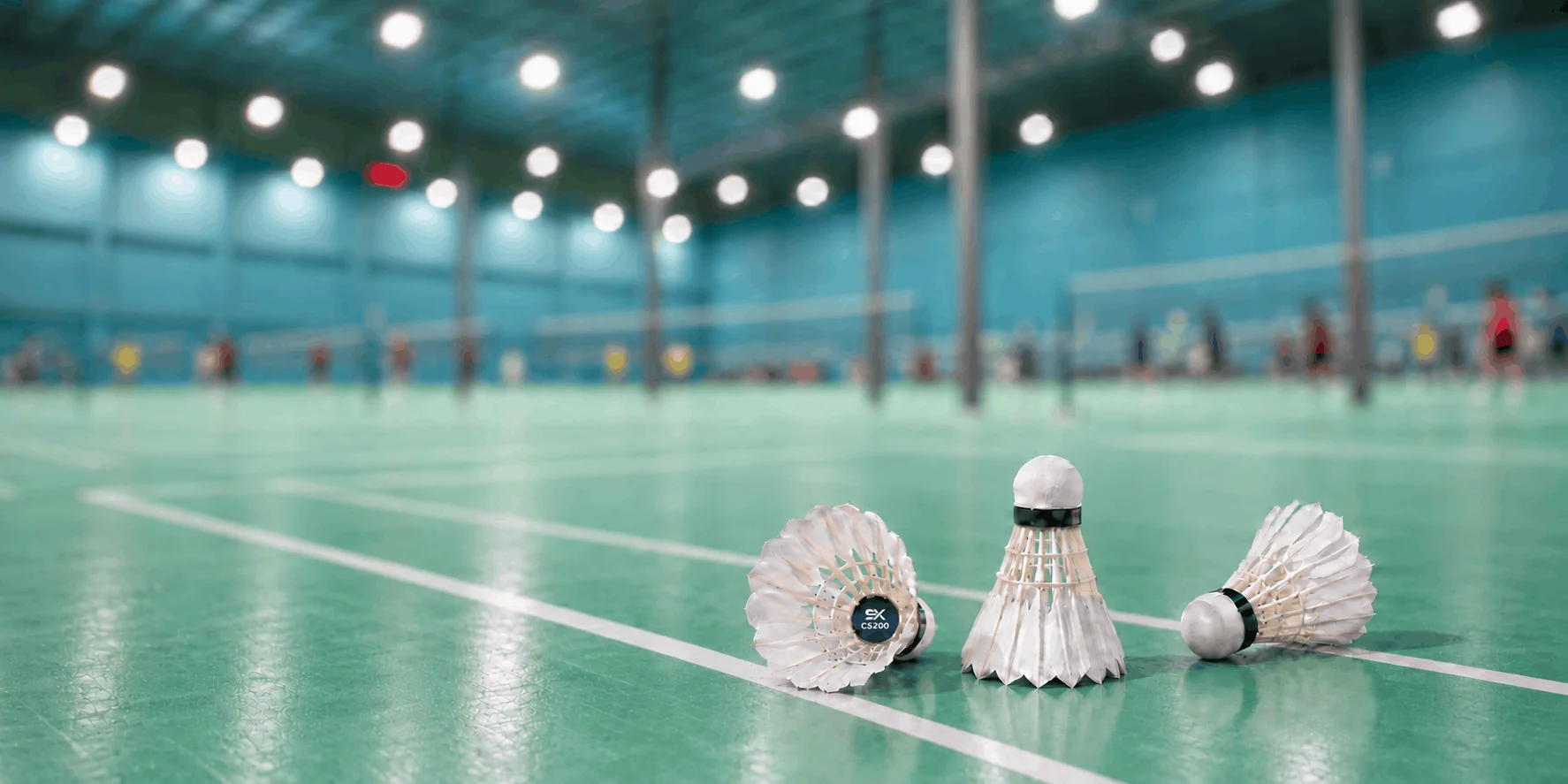
Goose feather vs duck feather is a question every badminton player meets sooner or later. A shuttlecock has a direct effect on the speed, stability and length of a rally, yet it often gets less attention than the racket. The feathers it uses, goose or duck, change how it flies, and that affects training quality, match consistency and overall value.
In short, goose shuttlecocks suit competitive and advanced play, where stability and durability matter most. Duck shuttlecocks are the affordable choice for beginners, recreational games and practice. This guide explains how each one is made, how it plays and which one fits your level.
Why Does Feather Type Matter in a Shuttlecock?
Traditional feather shuttlecocks are made with either goose or duck feathers, and each has its own qualities. Natural feathers offer superior flight stability and a natural, responsive feel. The type of feather also affects control, accuracy and rally time, which matter most to competitive and professional players.
A feather shuttlecock has 16 feathers fixed into a cork base. Together they form a skirt that creates drag, slows the shuttle after contact and keeps its flight steady. For this to work, the feathers must be very close in shape and length, and makers usually match feathers from the same wing so the shuttle flies evenly. This is why the quality of the feathers shapes the quality of the whole shuttle.
Synthetic shuttlecocks are available too, but this guide focuses on the two feather types.
Goose Feather Shuttlecocks
Goose feather shuttlecocks are made with care and precision. Goose feathers are thicker and sturdier than duck feathers, which gives the shuttle a durable frame. They are also long and smooth, with a consistent length and shape. That makes it easier to find near-identical feathers and build a balanced shuttle.
Intermediate to advanced players favour these shuttles because the flight path stays stable, even under heavy smashes or precise drop shots. The shuttle responds predictably, so you get better control over pace and direction. That consistency is especially valuable in longer rallies, where accuracy is crucial.
Durability: Goose feathers resist breakage because of their strength, so they keep their flight quality across more games. This gives them a longer usable life in competitive matches.
Typical use: Goose shuttlecocks are a standard choice in professional tournaments because they are reliable and last well. They suit advanced players who want precision and consistency. Browse our goose feather shuttlecocks to see the range.
Duck Feather Shuttlecocks
Duck feathers are softer and lighter than goose feathers. They are carefully selected to give a consistent structure, but they have a slightly uneven texture. This affects durability and how evenly the shuttle flies.
Duck feather shuttlecocks perform reasonably well in short rallies and casual matches. As the feathers wear down, the trajectory becomes less predictable. That reduces stability and affects control in longer rallies.
Durability: Duck shuttles tend to wear out more quickly. The softer quills are more prone to splitting, which shortens their lifespan, and flight quality drops once the feathers start to fray.
Care: Duck feathers dry out and break more easily, so keeping duck shuttles slightly humid before play helps them last longer. Like all feather shuttles, they fray and break faster when stored in dry or hot conditions.
Typical use: Duck feather shuttles are widely used because they are affordable and easy to find. Beginners use them while learning the game, and many players choose them for recreational play. Intermediate players also use them for practice sessions, as they are a good alternative to goose without a high cost. See our duck feather shuttlecocks to compare options.
Difference Between Goose and Duck Feather Shuttlecocks
The table below sets the two types side by side across the main performance factors. Use it as a quick reference before you choose.
| Goose Feather | Duck Feather | |
|---|---|---|
| Thicker and sturdier, long and smooth, consistent length and shape | Feather Structure | Softer and lighter, slightly uneven texture |
| Stable path on heavy smashes and precise on drop shots | Flight Stability | Reasonable in short rallies and casual matches, less predictable as feathers wear |
| Resists breakage, keeps flight quality across more games | Durability | Softer quills split more easily, wears out more quickly |
| Intermediate, advanced and professional players | Typical Players | Beginners, recreational and intermediate players |
| Competitive matches and match practice | Best For | Casual games and repetitive drills |
| Higher | Cost | More affordable |
Goose vs Duck Feather Shuttlecock: Pros and Cons
| Goose Feather | Duck Feather | |
|---|---|---|
| Pros |
|
|
| Cons |
|
|
Cost and Value
Duck shuttles are the cheaper option, and goose shuttles usually cost more. The price per tube only tells part of the story, because a shuttle that lasts longer in hard rallies costs less per session than its price suggests. That is why goose can pay off for competitive play, where shuttles take a lot of punishment.
The reverse is also true. In feeding drills, you go through many shuttles quickly, so a premium shuttle adds little and an affordable duck shuttle does the same job. The better value is the one that gives you the stability and durability your sessions actually need.
Which Shuttlecock Should You Choose?
The right choice depends on your level of play and what you want from each session.
Professional and Advanced Players
Competitive matches need a shuttle that holds up through long rallies. Goose feather shuttlecocks are the best choice for experienced and advanced players because of their stability, durability and accuracy.
Intermediate Players
Intermediate players often favour goose for its stable flight path and predictable response. Many also use duck shuttles for practice sessions, which helps keep costs down.
Beginners and Recreational Players
If you play for fun or are learning the game, duck is an affordable option that still gives a satisfying playing experience. It does not offer the same stability as goose, but it is perfectly suitable for casual games.
Training Sessions
A balanced approach often works best. For repetitive drills, duck shuttles are preferred because you can use many of them in quick succession. For match practice, goose shuttles are the better choice, as they replicate the conditions of competitive play and prepare you for higher-level matches.
Whichever type you choose, check the speed rating printed on the tube. Ratings vary by brand, and temperature changes how far a shuttle travels, so warmer courts generally call for a slower shuttle.
How to Care for Feather Shuttlecocks
Feather shuttles are delicate, and good habits help them last. Take a shuttle out of the tube by its cork base and avoid squeezing or bending the feathers. Put shuttles back in the tube after play and keep it closed. Store the tube away from direct heat and sunlight, because very dry or hot conditions can make feathers brittle.
Check the feathers before you play. Once they are broken, bent or splayed, or the shuttle starts to wobble in flight, it is time to replace it. A sensible habit is to keep your freshest shuttles for matches and use older ones for drills.
Upgrade your game with high-performance feather shuttlecocks. Explore our full shuttlecock range to find the right option for your level.

Goose Feather vs Duck Feather: Final Thoughts
Choosing between goose and duck feather shuttlecocks comes down to your playing style, budget and goals. Goose feathers are the best choice for professionals and serious players because of their stability, durability and accuracy. Duck feather shuttlecocks suit beginners, club sessions and training, offering dependable flight at a lower cost. Feather grade matters as much as the bird, so a high-grade duck shuttle can outperform a low-grade goose shuttle. The right shuttlecock should match the intensity of your game and the value you expect from it.