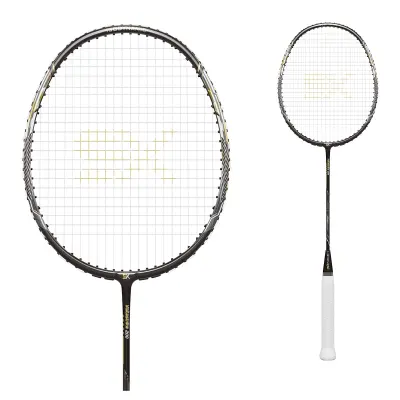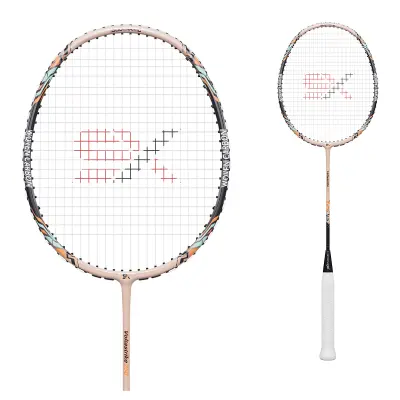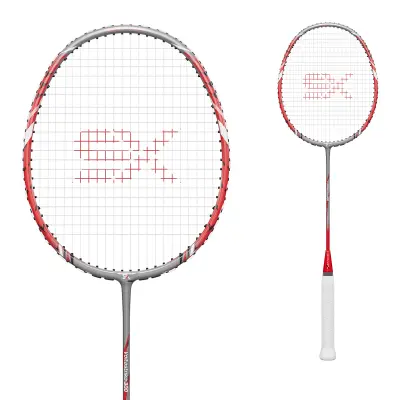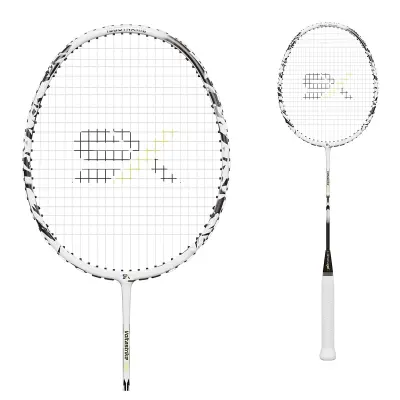
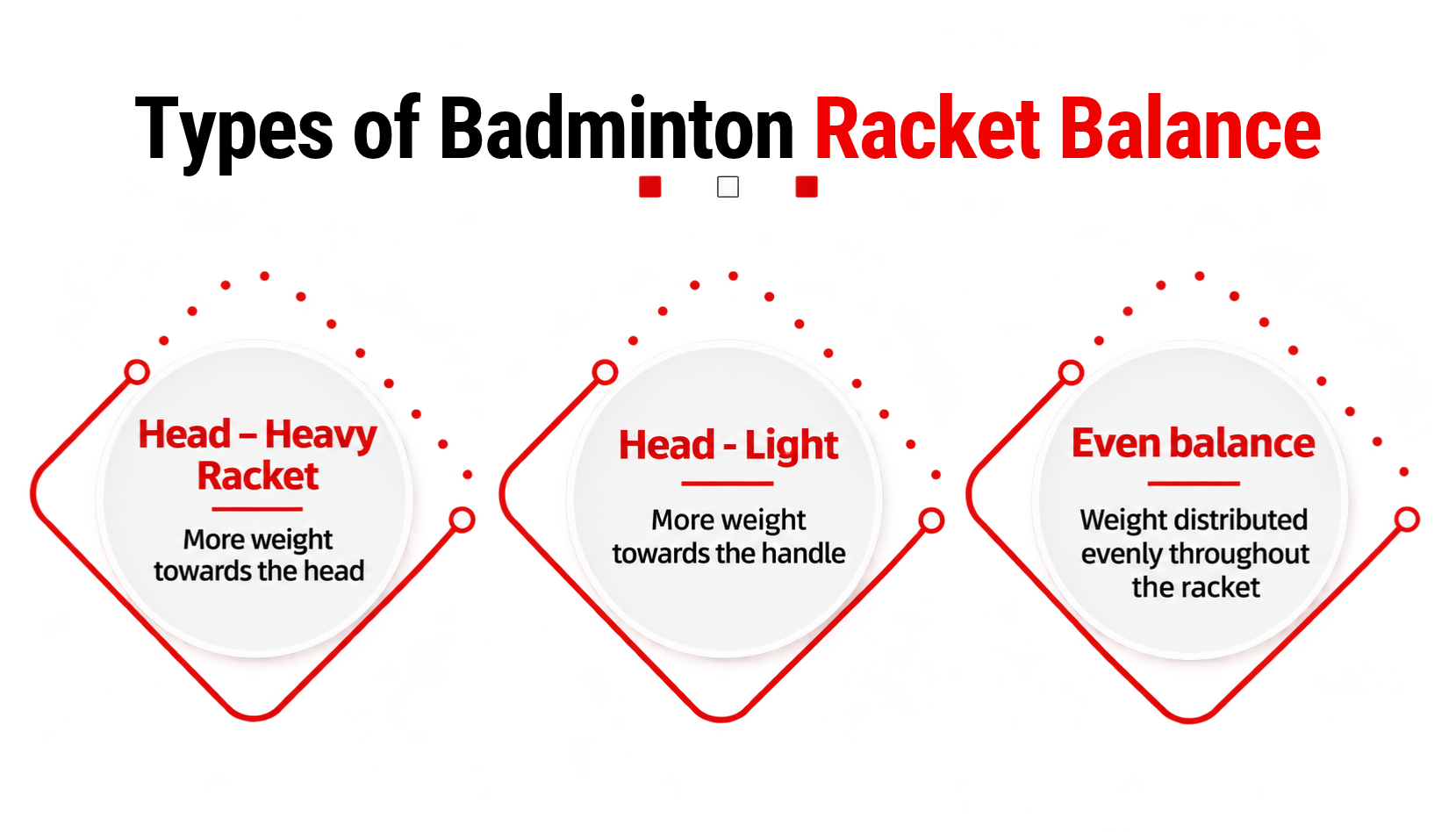
Two rackets can weigh exactly the same and still feel completely different in your hand. The reason is balance, which is where the weight sits along the racket. A head-heavy badminton racket carries more of it towards the head, a head-light racket carries more towards the handle, and an even-balance racket sits in between.
This guide explains what each type does, how to check the balance point of your own racket and which one suits your game. It also shows where every StriveX racket sits, so you can compare them side by side. If you are still choosing a racket in general, start with our guide on how to choose a badminton racket.
Quick answer: head-heavy adds momentum to smashes and clears, head-light makes the racket quicker in defence and at the net, and even balance is the all-rounder. If you are unsure, an even balance racket in a 4U frame is a sensible place to start.
What Is Badminton Racket Balance?
Badminton racket balance describes where a racket's weight is concentrated. It is not the same as total weight. A 4U head-heavy racket and a 4U head-light racket weigh the same, but the head-heavy one swings with more momentum and the head-light one changes direction faster. For more on weight itself, see our guide to lightweight vs heavyweight badminton rackets.
What Is the Balance Point of a Badminton Racket?
The balance point is the spot where the racket balances on its own, measured in millimetres from the bottom of the handle. A higher figure means more weight towards the head, and a lower figure means more towards the handle. Two rackets of the same weight with balance points of 300mm and 325mm will feel very different in a rally.
Brands draw the lines slightly differently, so treat any label as a guide. On StriveX listings, 285mm and 290mm are head light, 300mm is even balance, 305mm is slightly head heavy, and 325mm is very head heavy. StriveX quotes all balance points unstrung, in line with standard convention. Strings add weight to the head and an overgrip adds weight to the handle, so the figure can shift by a few millimetres once the racket is set up.
How to Check Your Badminton Racket Balance
You do not need special equipment to find a racket's balance point.
- Lay the racket across a finger, or the edge of a ruler, with the head on one side.
- Slide it until it balances flat, then mark that spot with a pencil.
- Measure from the bottom of the handle to the mark, in millimetres.
- Compare the number with the scale above, or with the figure the maker publishes.
Do the test with the grip and strings you actually play with. If you only want to compare two rackets, the one that balances closer to the head is the more head-heavy of the two.
The Three Badminton Racket Balance Types
Head Heavy Badminton Racket
A head-heavy badminton racket carries more of its weight towards the head. That extra mass adds momentum to your swing, which is why these rackets are linked with strong smashes and deep clears from the rear court.
The trade-off is speed. A head-heavy racket takes more effort to bring back into position, so fast drives and quick defence feel harder, and it asks more of your wrist and forearm over a long session. It suits players who attack from the back and have the swing speed to use the extra weight.
Head Light Badminton Racket
A head-light badminton racket keeps more weight towards the handle, so the head feels lighter, and the racket moves faster. That helps in defence, in quick drives and at the net, where you often need to change racket position in a split second.
You give up some of the momentum a head-heavy racket adds to a smash. Head-light rackets are a popular choice for defensive players and for front-court doubles play, where fast exchanges at the net need quick racket movement. Many rear-court doubles attackers still prefer a head-heavy racket for smashing.
Even Balance Badminton Racket
An even balance racket, sometimes called a balanced racket, spreads its weight more evenly between head and handle. It does not lean towards power or speed, which makes it the most versatile of the three.
That neutral feel suits all-round players and anyone still finding their style. If you want a closer look at the two heavier options, read our guide on balanced vs head-heavy rackets.
Head Heavy vs Head Light vs Even Balance
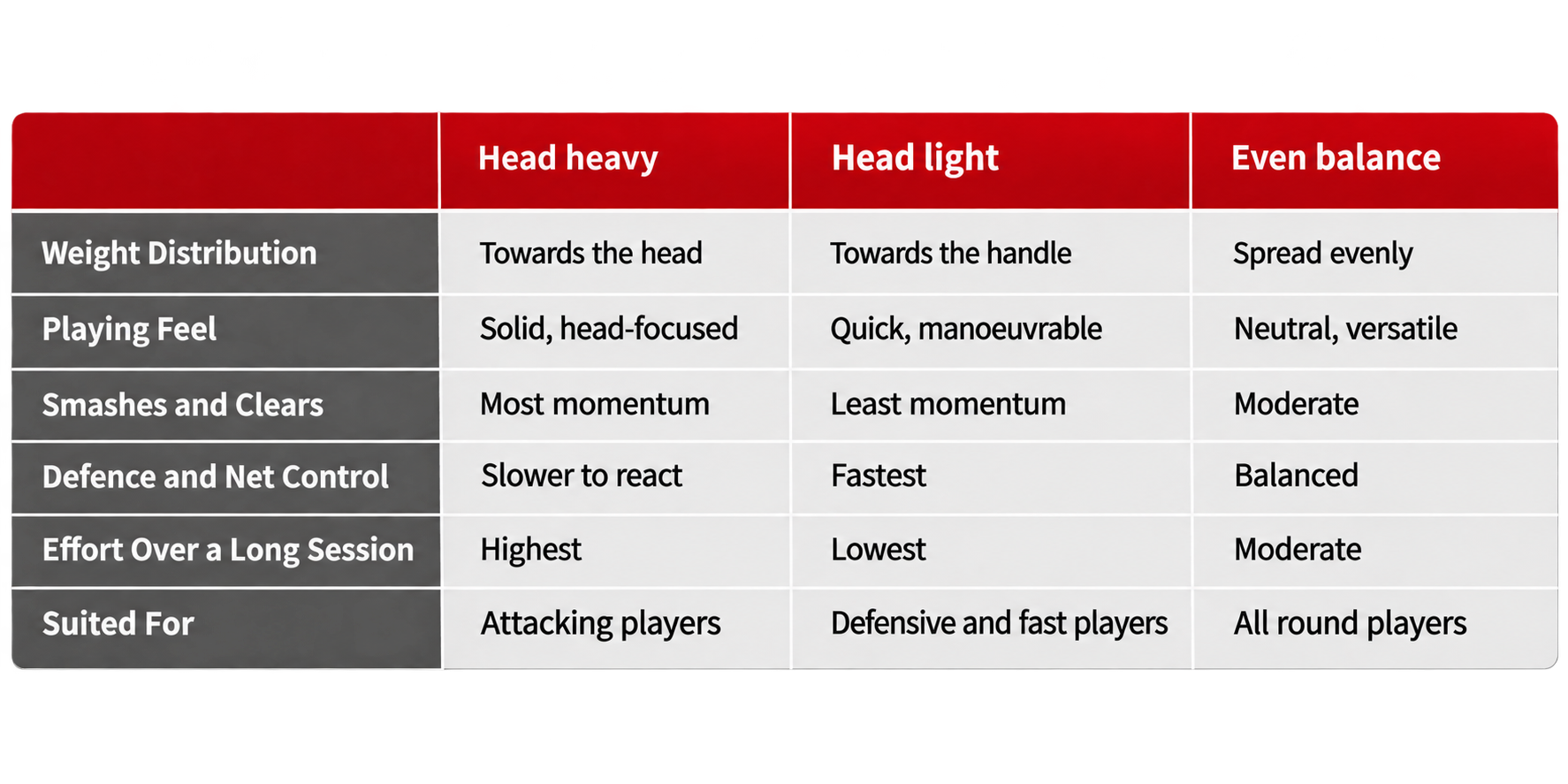
Treat these as tendencies rather than rules. Shaft stiffness, frame design, string tension and your own technique all change the final feel.
How Balance Affects Your Game
Power: A head-heavy racket adds momentum when you have the swing speed to use it. It will not create power on its own, because timing and technique still do most of the work. A racket that is too demanding for your swing will hit weaker shots than one you can control.
Control and handling: Control depends on how quickly and naturally you can put the racket where you want it. A head-light racket is the easiest to reposition, which is why it feels sharp at the net and in defence. Even balance gives a neutral response, and head-heavy takes more effort to steer.
Stability and swing speed: Head-heavy rackets feel more solid at contact but swing more slowly. Head-light rackets speed up easily and feel more responsive, but less planted on hard hits. Swing weight, which is how heavy the racket feels as you swing it, gives a fuller picture than the balance points alone. A higher swing weight means more momentum and more effort to get the racket moving.
Which Badminton Racket Balance Should You Choose?
Attacking players: If you win points with smashes and clears from the rear court, a head-heavy racket is the natural fit.
Defensive and fast players: If you rely on quick reactions, fast drives and sharp net play, a head-light racket makes defence easier.
All-round players: If you move between attack, defence and the net, even balance keeps every option open.
By level: Beginners usually learn fastest on an even-balance racket in a 4U frame, because it does not push you towards one style. A slightly head-heavy 4U is manageable if you want extra power. Intermediate players can lean towards head-heavy or head-light as their style settles. Advanced players tend to choose for the specific job, such as power for singles or speed for the front court.
Singles and doubles: In doubles, the choice often depends on court position: front-court players tend to prefer head-light or even balance for fast net exchanges, while rear-court attackers often choose head-heavy for smashing. Singles players often like head-heavy or even balance for power and stability from the back. It varies by player, and our guide to singles and doubles racket weights covers that side in more detail.
The best test is how the racket moves in your own hand. If it feels natural through a full swing, the balance is right for you.
StriveX Rackets by Balance Type
The same weight class does not mean the same feel. Here is every StriveX racket, ordered from head-light to head-heavy.
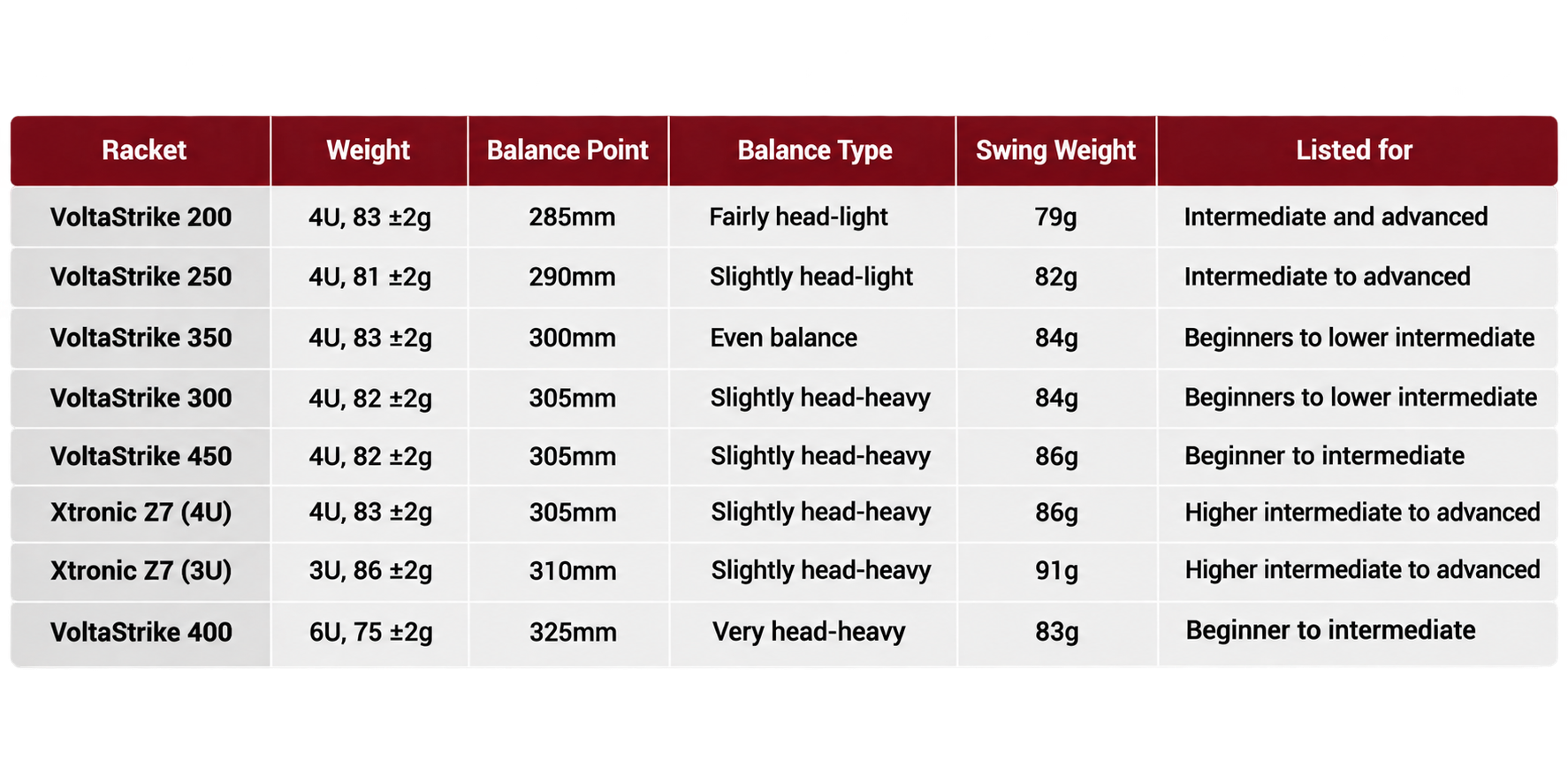
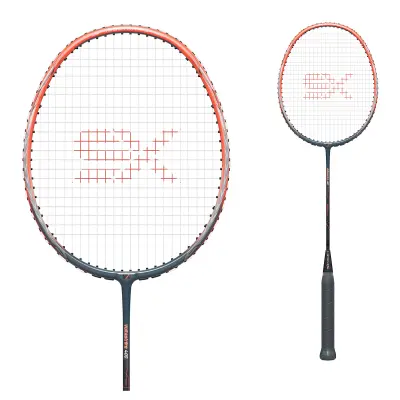
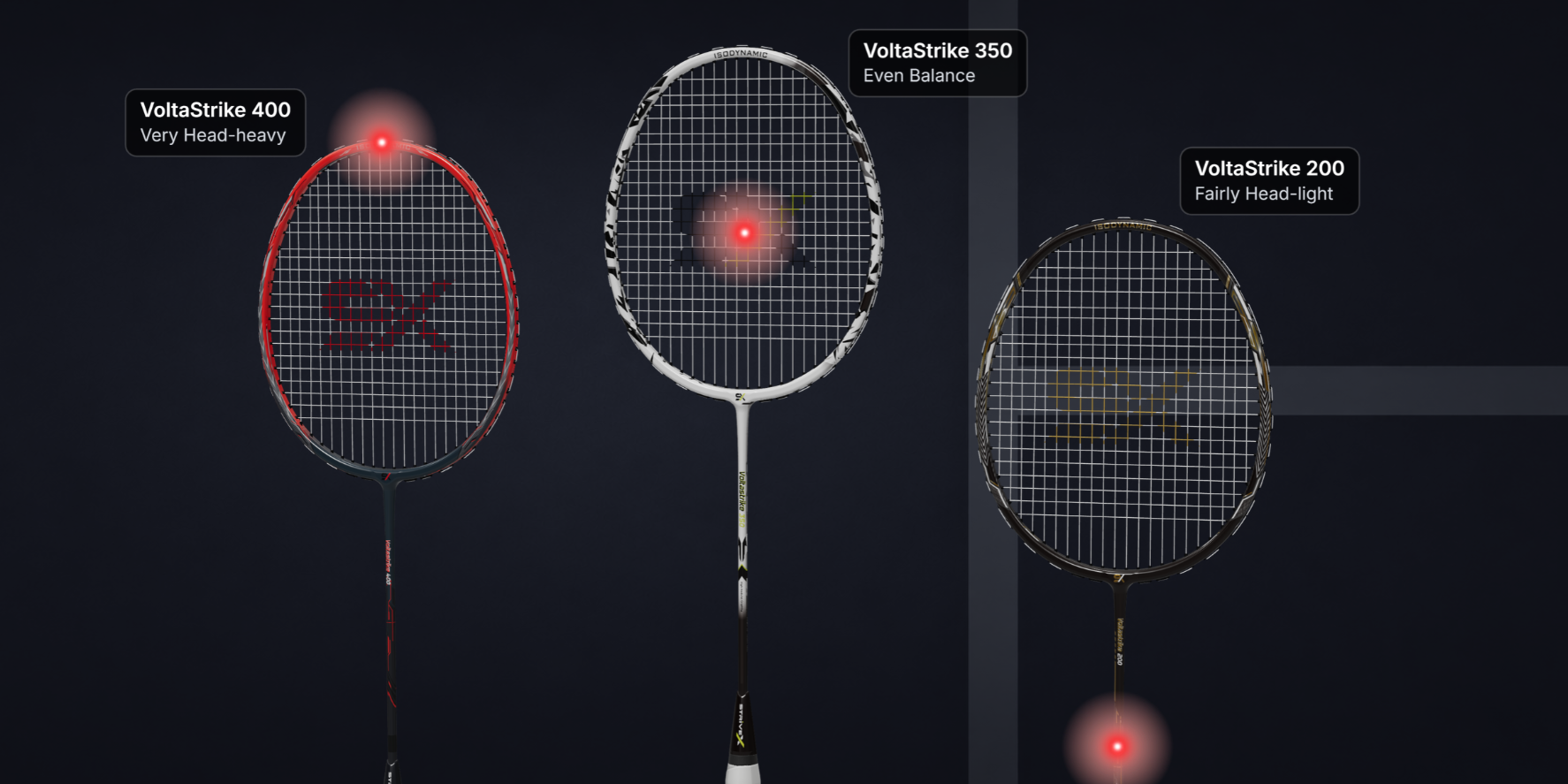
The VoltaStrike 200 and 250 are the quickest rackets in the range, with the lowest swing weights and the most head-light balance points. They suit players who want fast handling in defence and at the net.
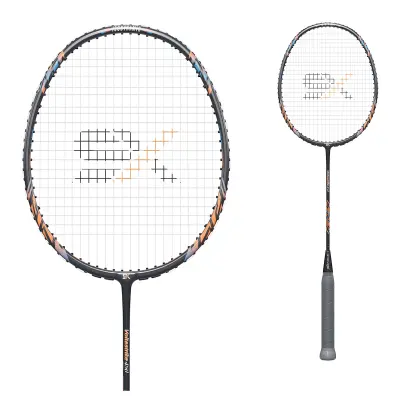
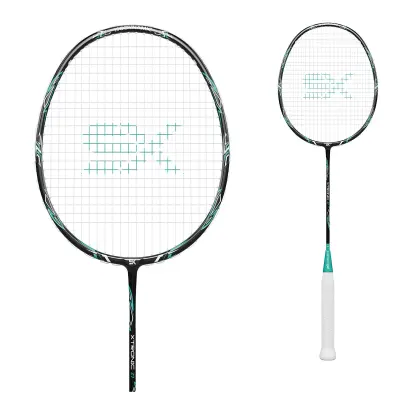
The VoltaStrike 350 is the most neutral racket we list, at an even 300mm, and it is listed for beginners through to lower intermediate players. The VoltaStrike 300 and 450, and both Xtronic Z7 versions, are slightly head-heavy, which gives them a more attacking feel. The Xtronic Z7 3U has the highest swing weight in the range at 91g and is built for singles power.
The VoltaStrike 400 shows why balance and weight are separate things. At 75 ±2g, it is the lightest racket we list, and it sits in the 6U class, lighter than the 4U models above. Yet its 325mm balance point makes it very head-heavy. Its swing weight is 83g, close to the VoltaStrike 250's 82g, helped by how light the whole racket is. It is listed for beginner to intermediate players who want an attacking style, so it suits players who put power first.
Common Mistakes When Choosing Racket Balance
- Copying a professional's setup: Their technique, timing and swing speed are very different from yours, so the same balance may not feel natural in your hand.
- Judging by balance alone: Shaft stiffness, frame construction, grip and strings all change how a racket plays, so two head-heavy 4U rackets can feel quite different.
- Assuming head-heavy always means more power, or head-light always means better defence: Both are tendencies, and technique matters more than either.
- Mixing up balance and weight: A light racket can still be very head-heavy, as the VoltaStrike 400 shows.
Final Thoughts
Balance decides how a racket feels in motion, and it works alongside weight, shaft stiffness and string setup rather than replacing them. Head-heavy rewards a strong swing, head-light rewards quick reactions, and even balance keeps both options open. Use the balance point as a guide, then trust how the racket feels in your own hand.
Ready to compare? Browse the full StriveX badminton racket range and use the balance table above to narrow it down.