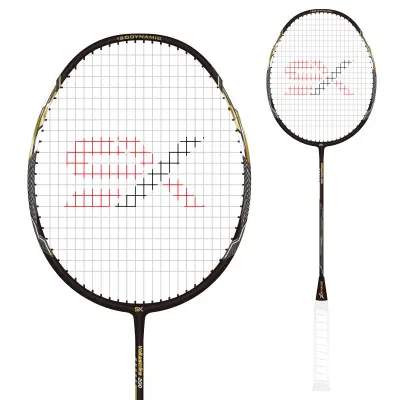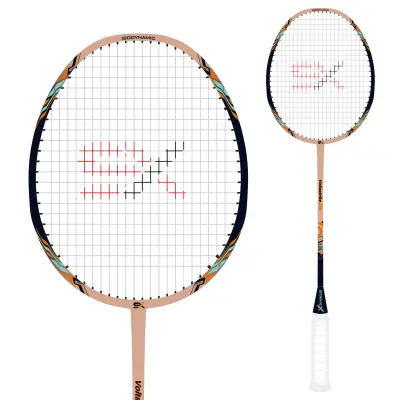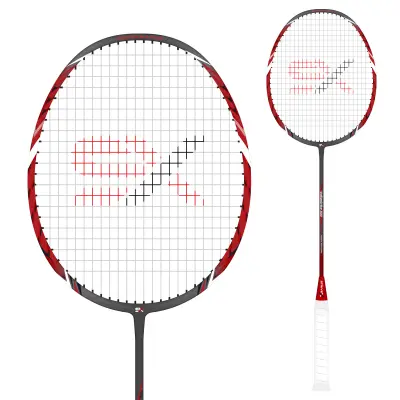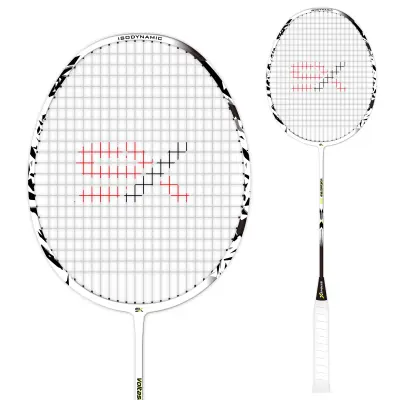
Choosing a badminton racket is not only about brand, design or price. The weight category plays a major role in how a racket feels during play, which is why many players compare 3U vs 4U vs 5U badminton rackets before their next purchase. These small differences in weight affect handling, stability, swing speed and overall feel during rallies.
There is no universally best weight category. A 3U racket can offer a more stable, solid response, while a 5U racket gives faster handling and easier movement, and the right choice depends on the feel you prefer and how naturally the racket suits your game. This guide breaks down what each category offers and which players tend to suit each one.
What Does the U Rating Mean in Badminton Rackets?
The U rating is a widely used weight classification that shows the approximate weight of the unstrung frame, before strings and any overgrip are added. The rule is simple: a lower U number means a heavier racket, and a higher number means a lighter one, so a 3U racket is heavier than a 4U, which is in turn heavier than a 5U.
These ranges vary slightly between manufacturers, and the same U rating can feel different depending on balance point, shaft flexibility, frame design and string setup, so two 4U rackets may play very differently if one is head-heavy and the other head-light. Our guide on how to choose a badminton racket covers how these specifications work together.
3U vs 4U vs 5U Badminton Racket Comparison
The difference between 3U, 4U and 5U rackets comes down to how each weight category balances stability, speed and handling.
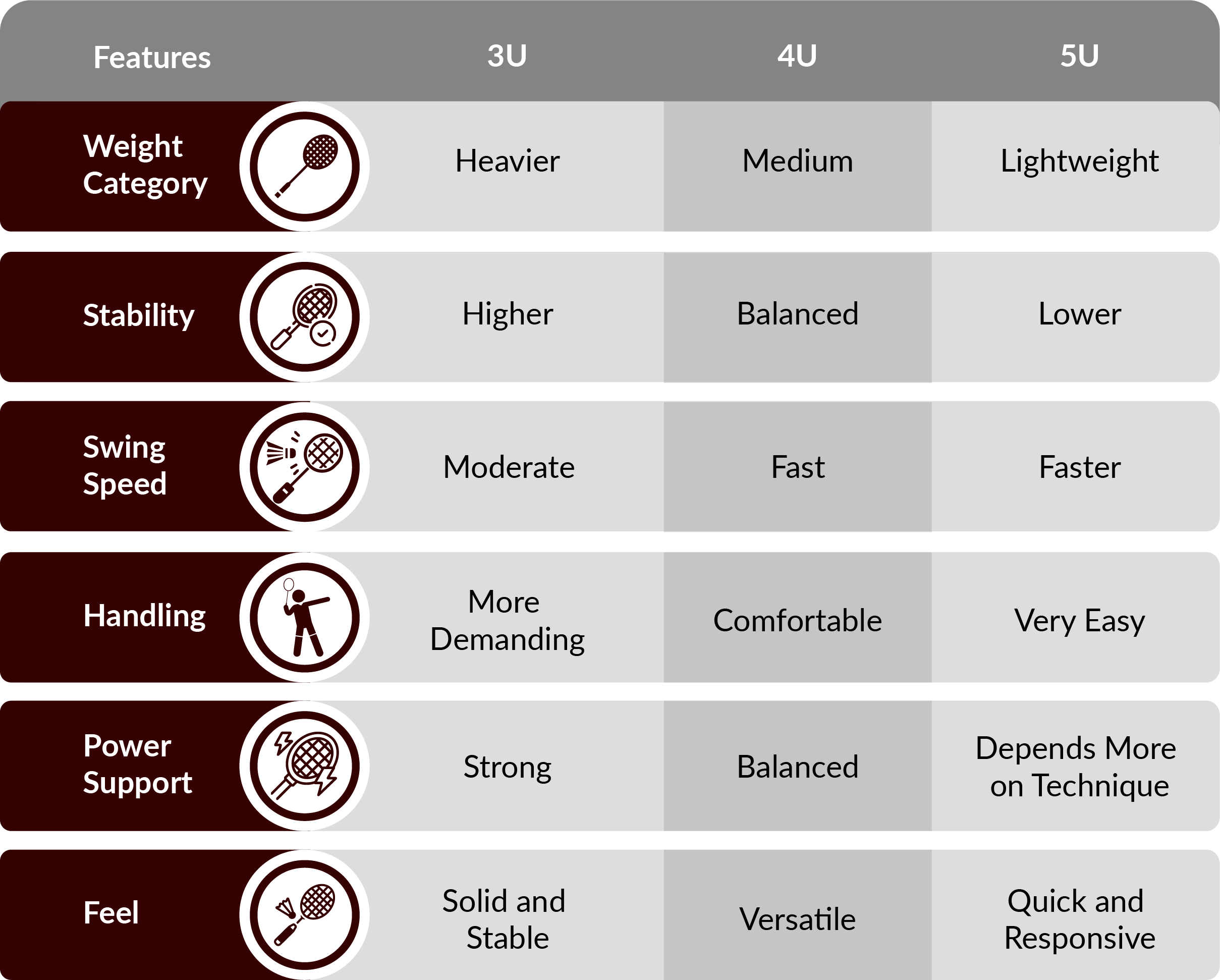
A 3U racket provides more mass behind each movement, creating a stable feel during powerful shots. A 4U racket balances speed and stability, which is why it is one of the most commonly selected categories. A 5U racket focuses on quick handling and easy movement, and can feel faster during rapid exchanges where players need to react quickly.
The best choice is not simply the heaviest or lightest option. It is the category that gives you the right combination of comfort, control and performance for your game.
3U Badminton Rackets: Stability and Power Focus
A 3U badminton racket belongs to the heavier category and usually weighs around 85 to 89 grams. The additional weight gives a more stable feel during contact, and when a player has the technique and strength to use it effectively, a 3U racket provides strong support during powerful shots, helping the racket maintain momentum through the swing on attacking shots and clears.
The trade-off is that the heavier construction demands more control and effort, so a heavier racket is not automatically the better choice. A player needs to control the added weight naturally during matches, or a lighter category may suit them better.
4U Badminton Rackets: The Balanced Choice
A 4U badminton racket usually weighs around 80 to 84 grams, sitting between the heavier 3U category and the lighter options. This makes it one of the most popular categories, since it balances speed, stability and control, letting players support their shots while still moving easily during fast rallies without feeling too demanding.
Many players choose 4U for its flexibility, supporting attacking shots while allowing quick movement on defence, which makes it the practical middle ground for anyone unsure between heavier and lighter categories.
5U Badminton Rackets: Lightweight and Fast Handling
A 5U badminton racket usually weighs around 75 to 79 grams and belongs to the lightweight category. Its biggest advantage is easier movement: with less weight to accelerate, players can move the racket quickly and react faster during fast-paced rallies, feeling highly responsive when changing direction.
The trade-off is less natural stability than heavier categories, so players need better timing and technique to generate powerful shots consistently, relying more on technique than racket mass to create power.
What Are 6U and 2U Badminton Rackets?
Although this guide focuses on 3U, 4U and 5U, players may come across other categories too. A 6U racket is extremely lightweight, usually 70 to 74 grams, designed for maximum speed and easy handling. The StriveX VoltaStrike 400 is listed as 6U at 75 ±2 g, on the boundary between the 5U and 6U ranges, and its 325 mm very head-heavy balance gives it a stronger attacking feel than most lightweight rackets.
A 2U racket, by contrast, is heavier than the common 3U category, offering strong stability but demanding more effort and control, which is why 2U models are less common today as most players favour the balance 3U and 4U provide.
StriveX Badminton Rackets by Weight Category
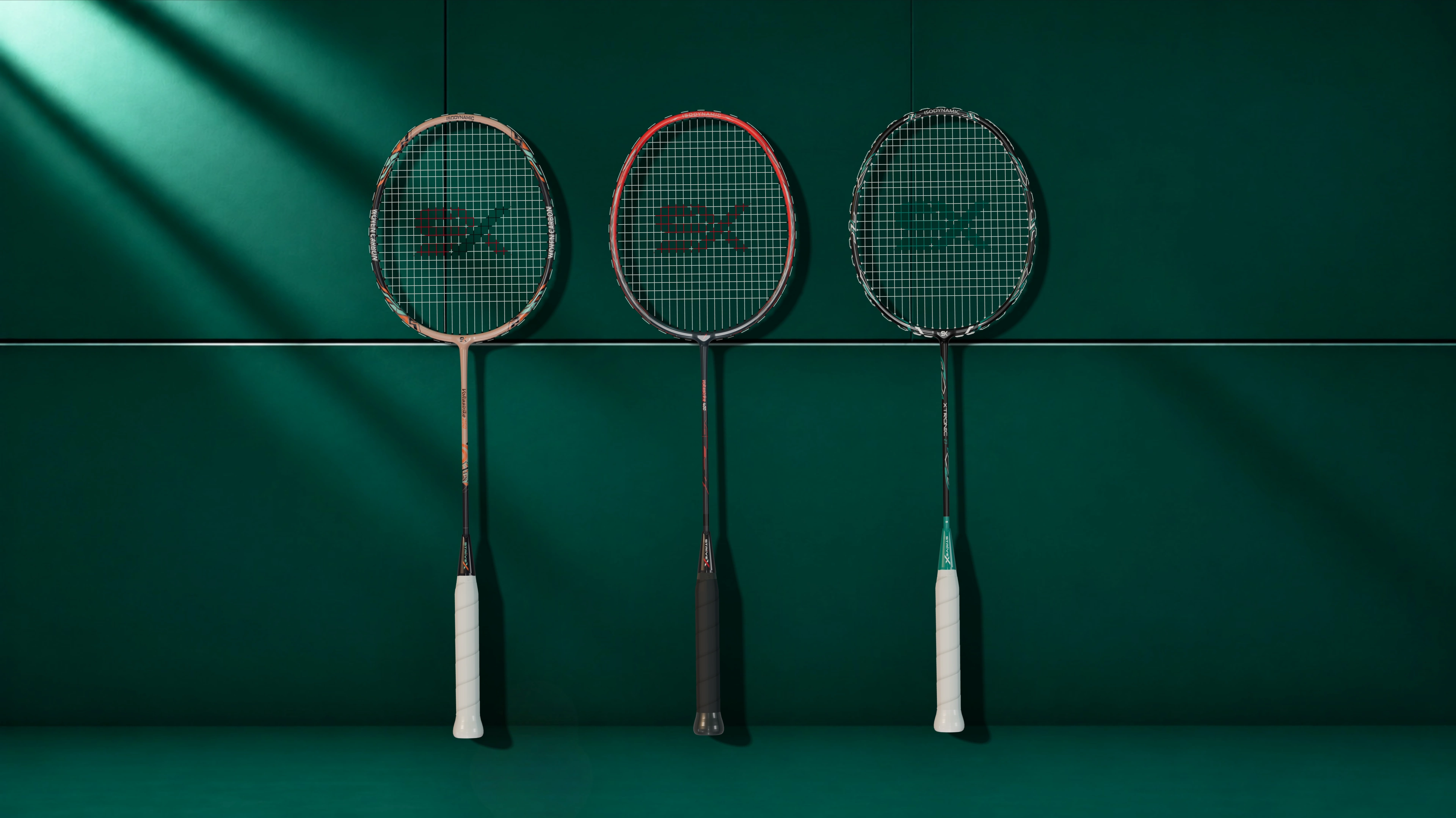
Understanding the difference between 3U, 4U and 5U becomes easier once you compare actual racket models. StriveX's range spans lightweight handling through to more stable, attacking setups, and weight should always be considered alongside balance point, since a 4U head-light racket and a 4U head-heavy racket can feel very different despite sharing a weight class.
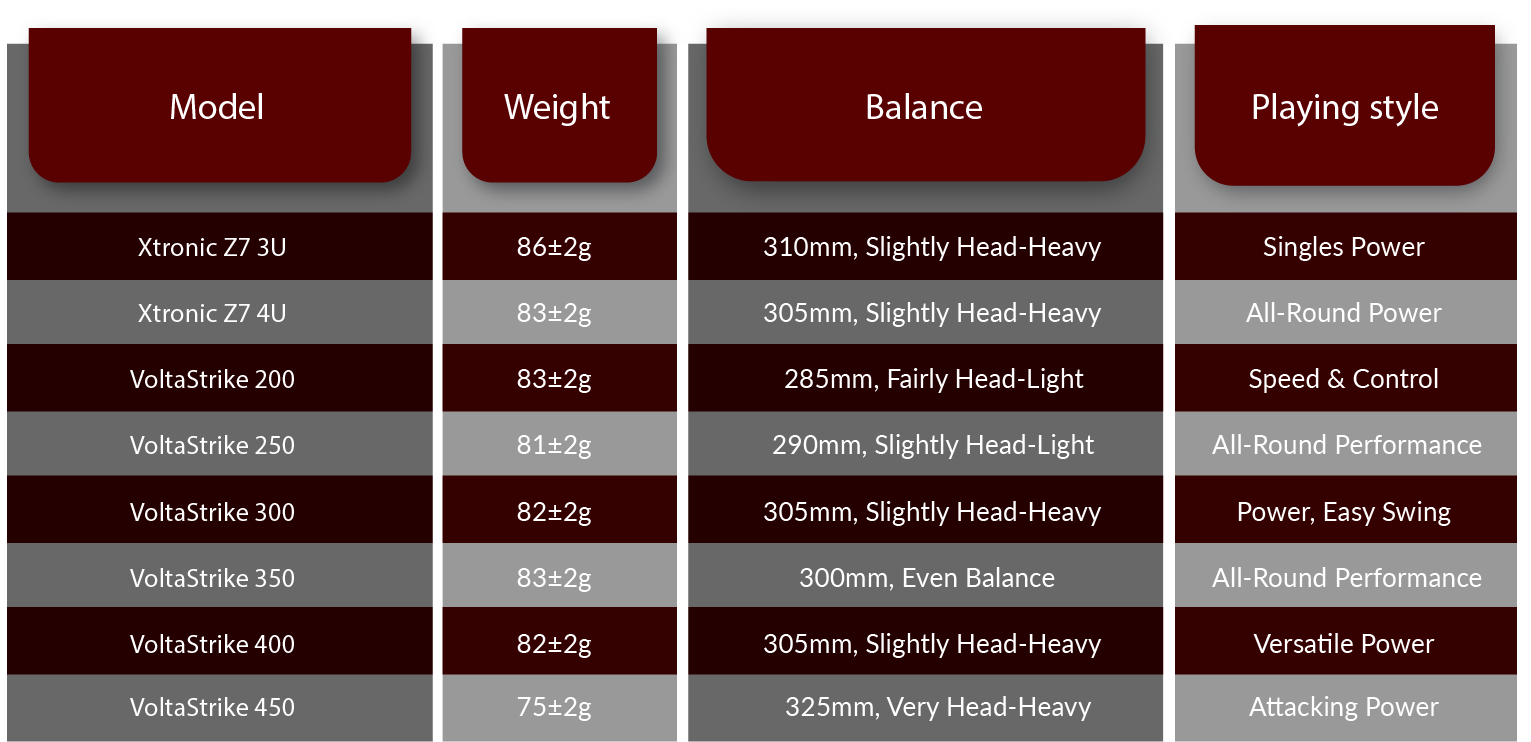
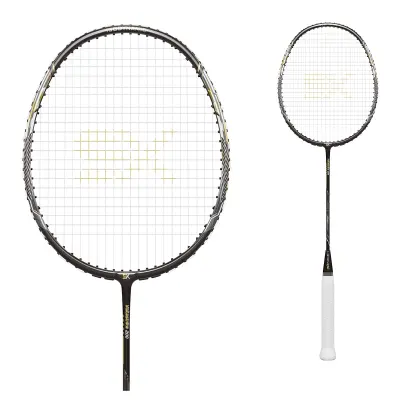
The Xtronic Z7 3U combines its heavier frame with 40T Ultra High Modulus Carbon construction, giving players who want a stable, powerful feel a solid response at impact and strong support for attacking play. The same racket is also available as the Xtronic Z7 4U, at approximately 83±2g with a 305mm slightly head-heavy balance, offering faster handling while keeping the responsive feel of the Z7 series.
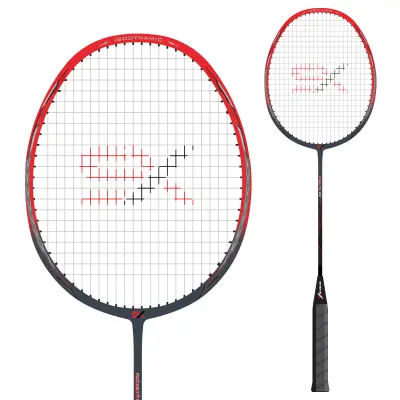
Most of the StriveX range sits in the 4U category, the practical balance point between speed and stability, though balance still varies within it. The VoltaStrike 200 (83±2g, fairly head-light) suits quick reactions and easy manoeuvrability, while the VoltaStrike 250 (81±2g, slightly head-light) gives a similarly quick feel without moving into an ultra-lightweight category. For more attacking support, the VoltaStrike 300 and VoltaStrike 450 (both 82±2g, slightly head-heavy) add head weight while keeping 4U handling, and the VoltaStrike 350 (83±2g, even balance) sits neutrally between the two for players who do not want a racket that leans either way.
For lightweight handling, the VoltaStrike 400 combines its 6U frame with a very head-heavy 325mm balance, making it suitable for players who want an aggressive racket response without the extra weight of a heavier category.
Which U Rating Should Different Players Consider?
The best weight category depends on experience, comfort and playing style, so rather than choosing by category alone, focus on how naturally you can control the racket.
Many beginners find 4U comfortable, since it balances stability with easy handling. A racket that feels too heavy can make learning basic movements harder, while an extremely lightweight racket may not offer enough stability for a new player.
Intermediate players often prefer 4U for the same reason, though those with stronger technique may explore 3U for a more solid, attacking feel. Advanced players can generally adapt to different categories: some prefer 3U for stability, others 4U for faster handling and versatility, depending on technique and how they want the racket to respond.
Common Mistakes When Choosing a Racket Weight Category
Choosing between 3U, 4U and 5U should not be based on weight alone. The U rating explains one part of the specification, but balance point and overall design influence performance just as much.
A common mistake is assuming a heavier racket always performs better, or a lighter one is always easier to use. Weight changes how a racket feels, but the final experience depends on the complete setup. For a broader comparison, read our guide on lightweight vs heavyweight badminton rackets.
It is also easy to overlook balance point. Two rackets with the same U rating can feel completely different: head-heavy gives more attacking support, head-light feels faster and easier to move, and even balance sits neutrally between the two. Our guide on balanced vs head-heavy badminton rackets covers this in more depth.
Finally, a racket is a complete setup rather than a single weight number, so before switching categories, weigh up balance point, shaft flexibility, string tension and grip size together. Our how to choose a badminton racket guide covers these factors in full.

Final Thoughts
Choosing between a 3U, 4U and 5U badminton racket comes down to finding the right balance of stability, speed and handling. 3U suits players who want a solid feel and extra support behind their shots; 4U offers a balanced mix of control, speed and versatility; 5U focuses on lightweight movement and quick handling.
The U rating is only one part of a racket's performance. Balance point, shaft design, grip size and string setup all shape how it feels during play, so think about the response you actually want before choosing. A well-matched racket should feel comfortable in your hand and let you perform confidently during rallies.
Explore the complete StriveX badminton racket range to find a setup built around your playing preferences, or continue with our full guide on how to choose a badminton racket.