Badminton practice depends on having the right partner, time and space. This can make regular, focused training difficult, especially when you want to work on specific shots or movements. Shuttlecock feeders offer a practical way to practise consistently, allowing players to repeat drills and train independently while working on their timings. Shuttle feeder machines make practice sessions more structured and goal-focused.
What Is a Shuttlecock Feeder and How Does It Work?
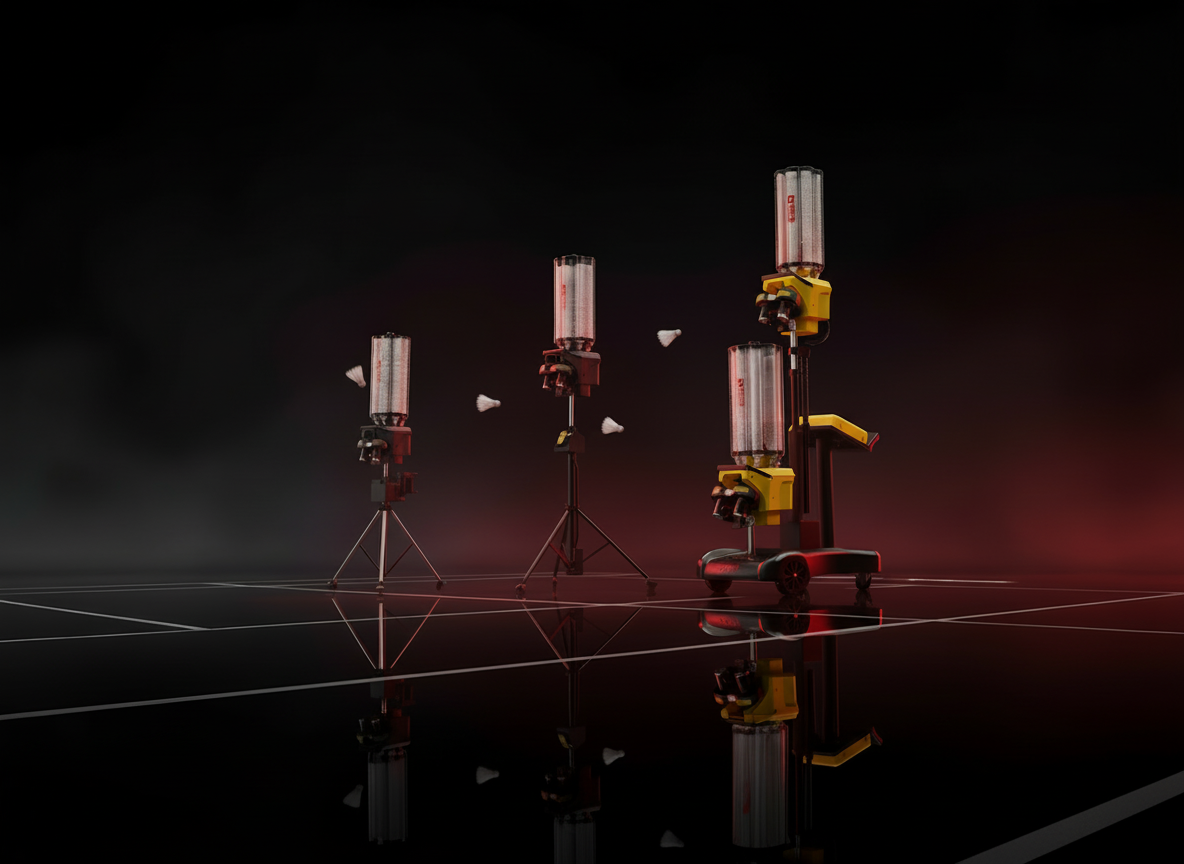
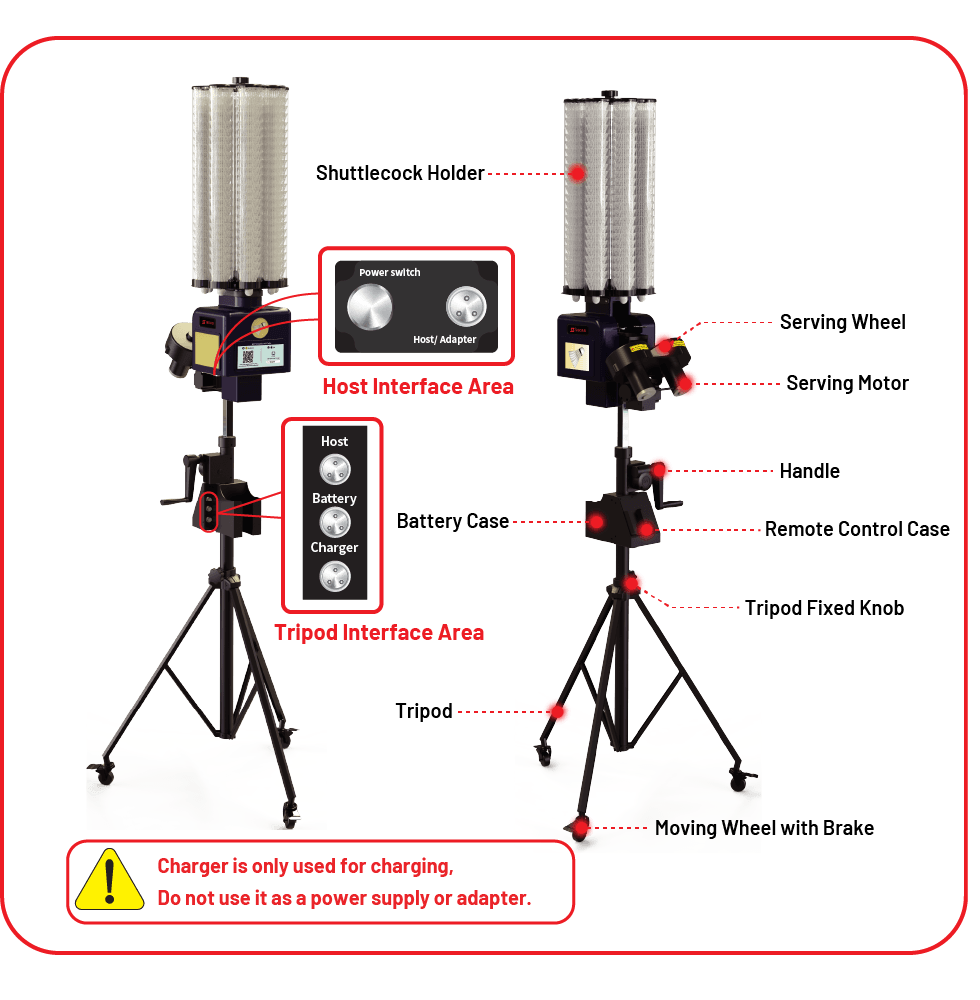
Badminton shuttlecock feeder machine is a training device. It provides automatic, consistent shuttlecock delivery for badminton players to practise. The purpose of using this machine is to enable repetitive, focused training without relying on a partner or coach.
The feeder machine holds multiple shuttlecocks in a container or magazine. With repetitive, similar shots, it lets players practise specific shots, movement patterns, footwork and timing in a controlled setting. This machine releases shuttles one at a time at a set speed and interval. Most feeders allow you to adjust the feeding speed, shuttle trajectory and time gaps between shots. Using these settings, different types of plays can be stimulated, such as clears, drops or defensive feeds.
What are the Types of Shuttlecock Feeders?
Shuttlecock feeders are available in several types, each designed to suit different training needs, budgets and practice environments. The main differences lie in how they are operated, the level of control they offer, and who they are best suited for.
Automated Shuttlecock Feeders: Automated feeders are powered training machines designed to release shuttlecocks at preset speeds, intervals, and angles. They may be operated via remote control or manual control, depending on the model. Advanced automated feeders allow adjustable settings to simulate a variety of shots and rally patterns, supporting structured and consistent practice sessions. These machines typically operate on AC or DC power and, while offering configurable output, have defined functional limits based on model specifications. Automated feeders are commonly used for solo training in clubs, academies, and professional coaching environments.
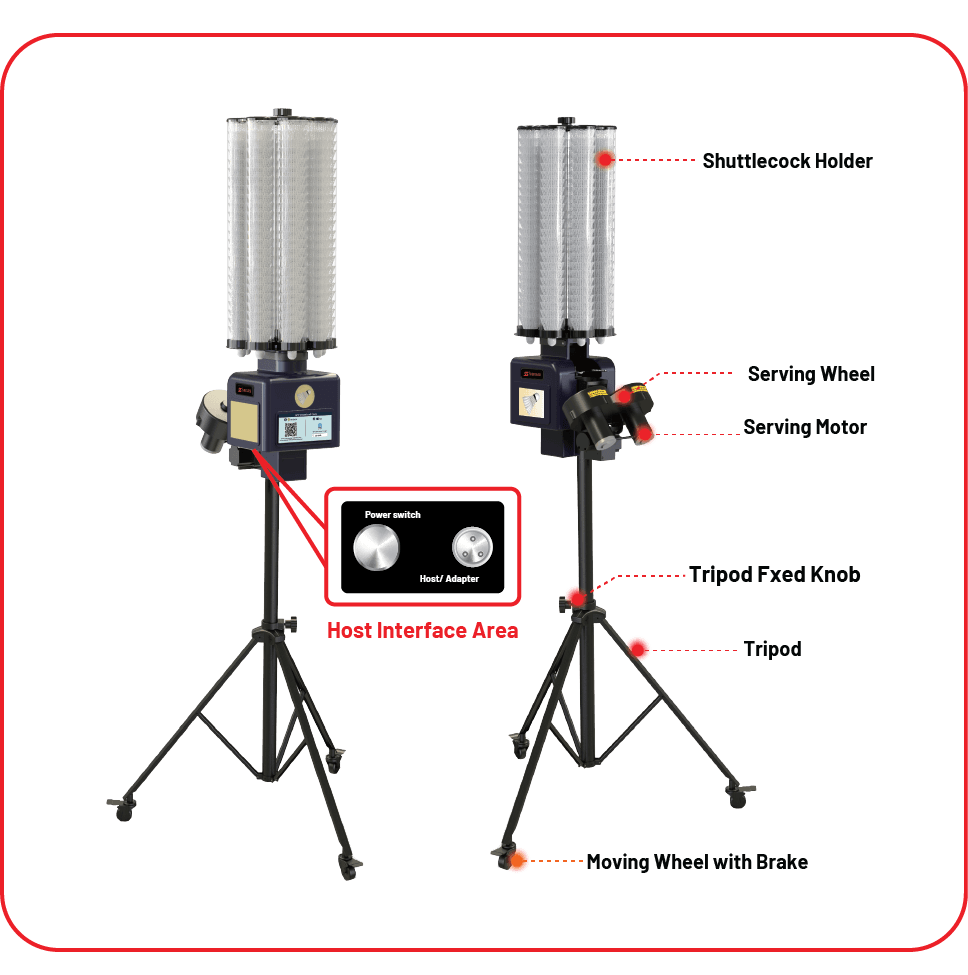
Intelligent Shuttlecock Feeders: Intelligent shuttlecock feeders are advanced automated training machines equipped with programmable features designed to replicate real match scenarios. These systems allow users to set specific feeding sequences, enabling the simulation of varied shots, rally patterns, and multi-stroke drills. Many intelligent models support up to 21-point programmable routines and can be operated remotely, either via battery-powered controllers or dedicated mobile applications. Due to their ability to deliver dynamic, real-time training patterns, intelligent shuttlecock feeders are particularly well suited for advanced players focusing on tactical drills, conditioning, and match-specific preparation.
What are the Benefits of Using Shuttlecock Feeders in Badminton Practice?
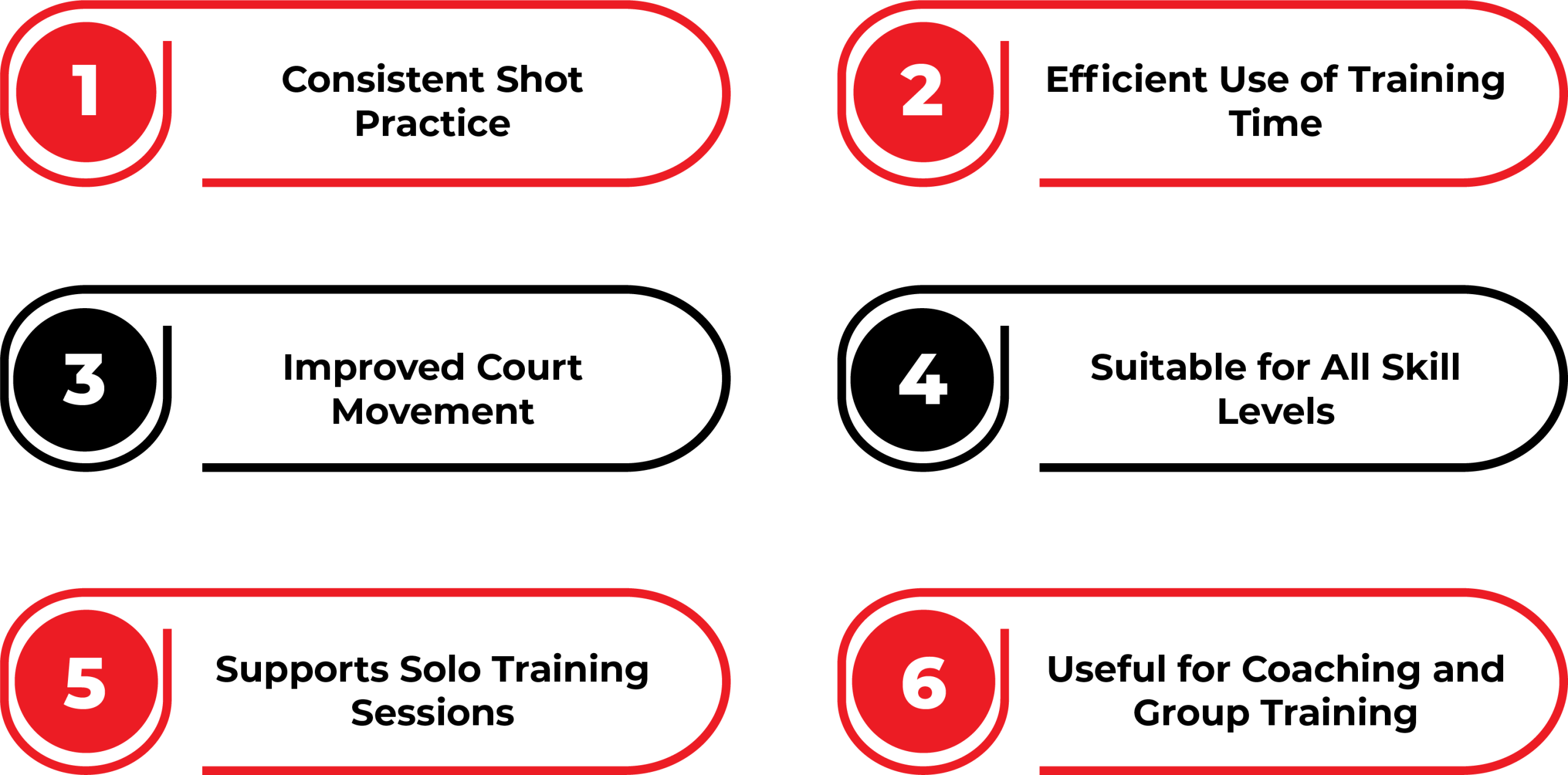
Using shuttlecock feeders in badminton practice brings structure and consistency to training sessions. Below are key benefits of using a feeding machine, each addressing a different aspect of player development:
Consistent Shot Practice
Shuttlecock feeders deliver shuttles at a steady pace and direction. This allows players to repeat the same shot multiple times to develop reliable strokes. This consistency helps refine technique, improve timing, and reduce errors caused by uneven feeding. When a player receives consistent shuttles, they can focus on correcting small technical details such as contact point, swing path, footwork and follow-through. Over time, this repetition helps build muscle memory, making shots more dependable during matches.
Improved Court Movement
Footwork is a core part of badminton performance, and feeders help isolate and train movement patterns. With predictable feeds, players can focus on moving correctly to execute each shot. This maintains control during rallies while supporting better balance, positioning and recovery.
Supports Solo Training Sessions
Feeders allow players to train independently without needing a partner or coach to feed continuously. This makes practice more accessible. Players with limited access to coaching can maintain regular training schedules.
Efficient Use of Training Time
Shuttlecock feeders keep the drill moving and reduce pauses between shots. They maintain active, productive sessions. More shuttles can be played in less time, which is especially useful during limited court availability. This not only makes the entire game process faster but also more focused and structured.
Suitable for All Skill Levels
Feeders can be adjusted to suit different skill levels, from beginners to advanced players. Lower speeds and simpler feeds help new players build confidence, while higher speeds and varied trajectories challenge experienced players. This adaptability makes shuttlecock feeders useful across a wide range of training stages.
Useful for Coaching and Group Training
In coaching settings, shuttlecock feeders reduce the physical demand on coaches who would otherwise manually feed shuttles continuously. It helps manage drills efficiently by maintaining a steady shuttle flow. This allows coaches to observe players more closely, provide feedback and correct technique. Feeders also help manage group sessions by keeping drills organised and consistent.

Final Thoughts
Badminton shuttlecock feeders can be a valuable addition to badminton training. They help players practise consistently, focus on specific skills, and make better use of available training time. Shuttlecock feeders work alongside the coach to support technique refinement through timely feedback. It can help players build confidence, improve control and develop habits that translate effectively into competitive play.